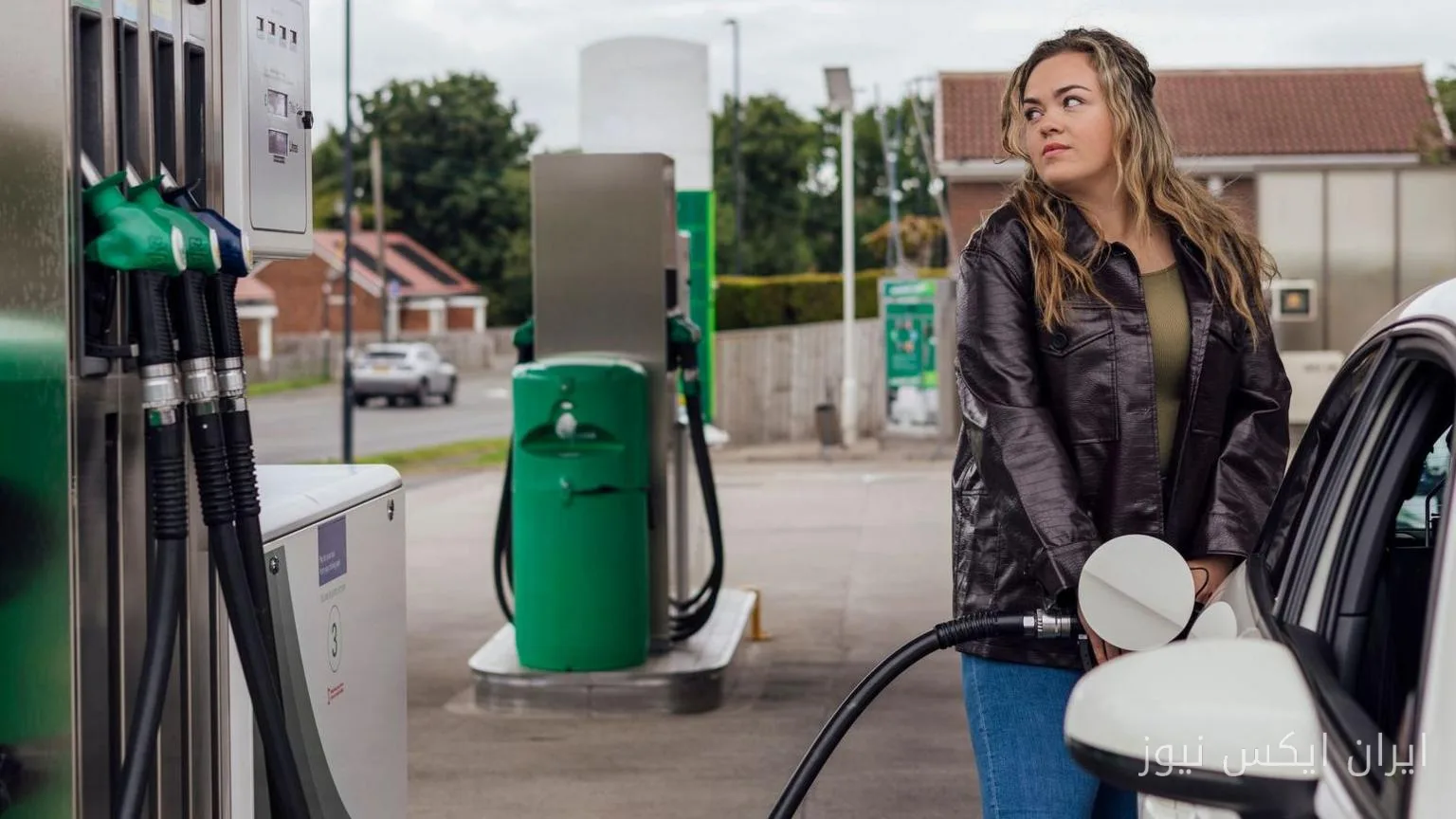
In today's world, fluctuations in oil prices are recognized as an economic dilemma that not only affects global markets but also casts a shadow over people's daily lives. Over the past week, the price of unleaded gasoline in the UK has risen to 167.17 pence per liter, with this 5 pence increase being the largest weekly change since April.
Factors Influencing Price Increase
The war and military tensions in Iran are identified as one of the main factors behind this price increase. Given that Iran is one of the largest oil producers in the world, any instability in this country can quickly impact global oil prices. This situation will affect not only gasoline prices in the UK but also energy prices worldwide.
Analysts believe that the continuation of these wars and tensions may lead to sustained price increases. This could put more pressure on households and businesses, ultimately leading to an economic recession. Many people are now concerned whether these price increases are temporary or if they will become a lasting trend.
Social and Economic Consequences
The increase in gasoline prices clearly impacts the daily living costs of people. From transportation costs to the prices of goods and services, everything is affected by these fluctuations. In this situation, many people are looking for ways to reduce their expenses, which could lead to decreased demand in the market.
As a result, these developments not only lead to an economic crisis but can also fuel social discontent. In these circumstances, governments need to think of solutions to manage this crisis to prevent social unrest.