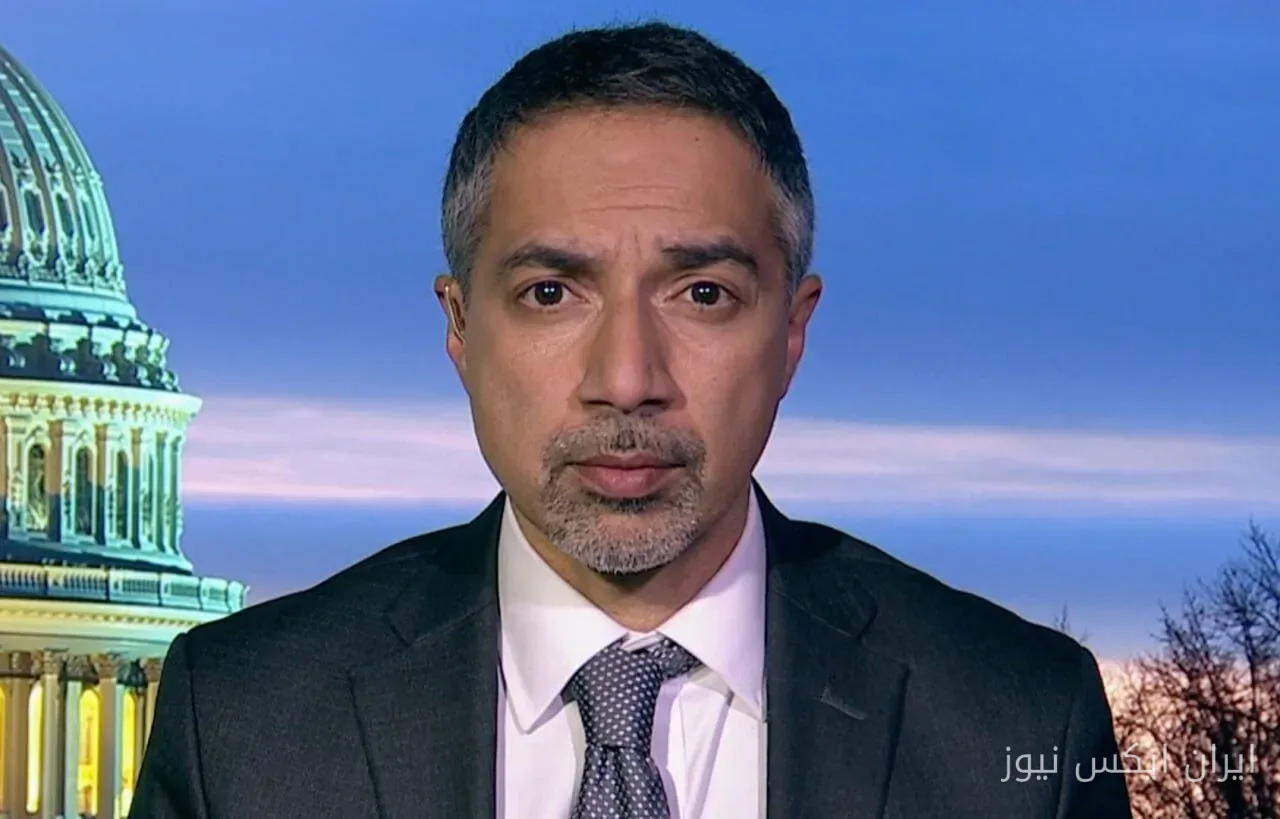
As tensions in the Middle East have reached their highest point, the Deputy of the Quincy Institute has pointed to a shocking reality: surveys conducted show that only 2% of the military forces stationed in the region support war with Iran. Meanwhile, 60% of these forces are firmly opposed to this action.
Shocking Realities
These statements clearly indicate a shift in attitudes among the military forces present in the battlefields. Despite political and military pressures, many of these forces have concluded that war with Iran is not only not a solution but could lead to even greater crises. This change in perspective could significantly influence future decision-making at both regional and international levels.
Consequences of War
Opponents of the war believe that the repercussions of war with Iran could lead to broader insecurities in the region. Many experts emphasize that, under current conditions, diplomacy and constructive dialogue could be far more effective than threats and war. These statements and attitudes reflect a deeper awareness and understanding among military forces of the existing realities.
Ultimately, this information could be a wake-up call for political decision-makers who, instead of escalating tensions, should consider more sustainable and diplomatic solutions. It seems that the time has come for the voices opposing war among military forces to be seriously heard and taken into account in the major policies of countries.