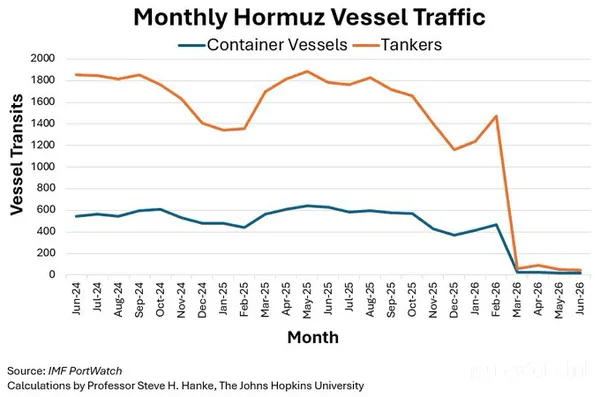
Despite Donald Trump's claim of controlling the Strait of Hormuz, statistics indicate a 97% decrease in tanker traffic in this strategic waterway. This sudden change in tanker traffic raises many questions about the security and economic situation in the region.
The Bitter Reality Hidden Behind the Claims
The Strait of Hormuz, as one of the most important and busiest shipping points in the world, has always been in the spotlight. However, new data shows that the number of tankers passing through this strait has significantly decreased, which could be a sign of economic and geopolitical challenges in the region. The reduction in tanker traffic could mean deeper impacts on the global oil market and prices.
Multiple factors could play a role in this decrease. On one hand, economic sanctions and international pressures on countries and oil companies may lead to reduced oil exports and consequently a decrease in tanker traffic. On the other hand, political and military tensions in the region have affected shipping security and may drive tanker owners to choose alternative routes.
The Future of the Strait of Hormuz: Challenges and Opportunities
Given these statistics, can we say that the Strait of Hormuz is no longer recognized as a global oil highway? It seems that this issue requires deeper investigations. Will the countries in the region be able to manage tensions and improve security and economic conditions? Or are we on the brink of fundamental changes in global trade and economic patterns?
Ultimately, the future of the Strait of Hormuz and tanker traffic is directly related to global policies and local developments. We must wait and see whether the claims of great powers will align with the realities on the ground.