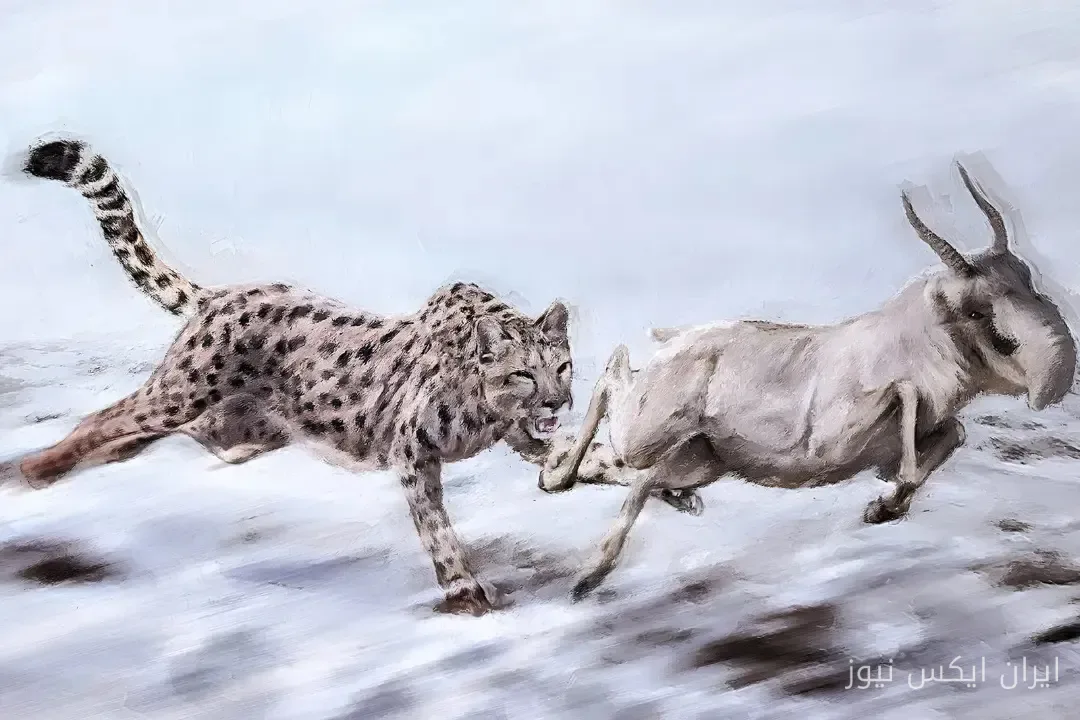
For years, it was believed that an extinct felid scientifically named Miracinonyx trumani, known as the 'American Cheetah', was one of the close relatives of modern cheetahs. The reason for this naming was the appearance of this animal: a slender body, long legs, and a shape similar to the African cheetah, built for fast running.
History and Physical Characteristics
Miracinonyx trumani, which lived during the Pliocene and early Pleistocene, was widespread in North America. This animal was of interest due to its physical resemblance to the cheetah, and many considered it part of the cheetah family. However, new research shows that this felid actually evolved independently from contemporary cheetahs and is not closely related to this species.
New Research and Scientific Discoveries
In recent years, using genetic and fossil data, researchers have reached new conclusions indicating that the American Cheetah not only has no relation to contemporary cheetahs but should be considered a separate and unique species. These findings help us gain a better understanding of the evolutionary history of felids and past biodiversity.
For example, Miracinonyx trumani may have shared common ancestors with other felids, including Panthera and the Leonids. This indicates a different evolutionary path that this species has taken compared to modern cheetahs.
Implications of These Discoveries
A correct understanding of the evolutionary relationships between different species can have profound impacts on species conservation and environmental programs. By better understanding the evolutionary history of these animals, we can propose more effective strategies for preserving biodiversity and ecosystems.
Moreover, these discoveries can help us better understand the behavioral and biological patterns of these species and, based on that, design better methods for the conservation of endangered animals.