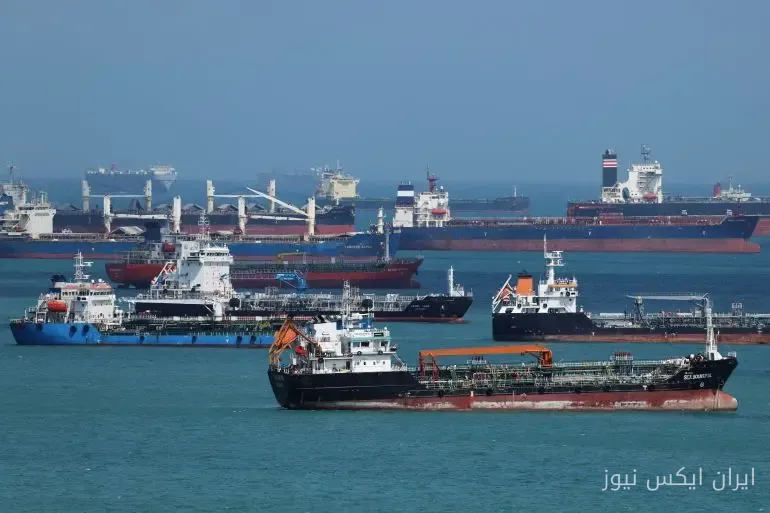
Analysts have examined the costs of the closure of the Strait of Hormuz and Bab-el-Mandeb from the perspective of Iran and the United States. Now that Bab-el-Mandeb and Hormuz are closed, the question arises: who can bear the costs of these strait closures and maritime blockade for a longer period? Is Iran under more pressure or is it the United States and the world?
Analysis of the Costs of the Closure of the Straits
To answer this question, one can simply ask who is trying to keep the straits open? Is it Iran or the United States? In this analysis, China and Russia should also be considered. The price of oil, as one of the key factors, can help find the correct answer. Additionally, the timing of each country for keeping the straits closed is also very important.
Read more: The nighttime gathering of the people of Mazandaran reached station 200
Benefits and Costs of the Straits Remaining Closed
Other questions that help analyze this situation include who stands to gain the most immediate benefit from the opening of the straits, who can bear the costs of keeping the straits closed, and who can use the rise in oil prices as a political leverage?
Given the current conditions, the one who can bear the most costs and hold the leverage is likely Iran. If the closure of the straits leads to a favorable outcome for Iran, this situation could benefit the country. However, if this policy does not yield results, Iran may incur heavy strategic costs, the effects of which could last for years.
The Situation of the United States and the Consequences of the Closure of the Straits
On the other hand, if the United States can open the straits, it will gain both immediate and strategic benefits. However, if unsuccessful, the country will face more serious problems and become an ineffective player in the region. The closure of the straits for the United States means not only strategic costs but could also lead to high fuel prices and inflation.
Americans have pointed out that they have negotiated with the Houthis to allow American ships to pass. However, the reality is that if passage through the straits is not guaranteed, this situation could lead to rising prices and economic concerns. In fact, this economic situation and concerns could, in turn, lead to a strategic failure for the United States.
Final Analysis
Ultimately, analysts believe that if Iran can keep the straits closed until its interests are secured, it may incur economic costs, but if it cannot, strategic costs will significantly increase. This issue requires smart and wise measures from politicians to turn this crisis to their advantage.
Read more: The nighttime presence of the people of Galikesh continues for 200 nights of gatherings · A serious threat from the Haredi population to the economy of Israel