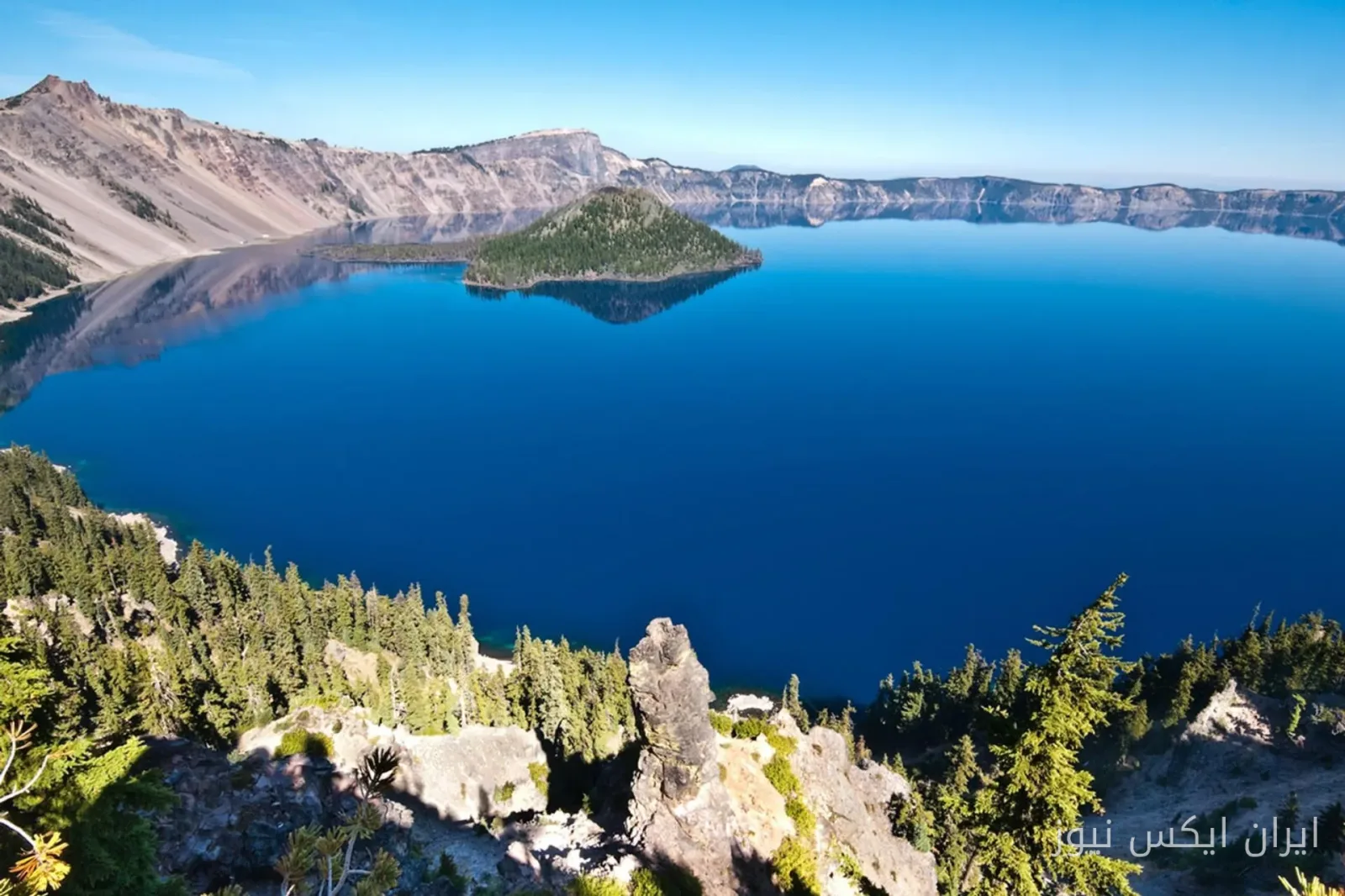
Lakes, as one of the most beautiful and astonishing natural phenomena, have a deep and ancient history. Among them, the oldest lakes in the world have frequently witnessed the evolution of species and environmental changes. These lakes, some of which are over millions of years old, act as natural laboratories, allowing us to observe the process of evolution and biodiversity over time.
Ancient Lakes and Their Unique Life
For example, Lake Baikal in Siberia, known as the deepest lake in the world, is not only beautiful but also a refuge for hundreds of unique species of fish, crustaceans, and snails. Due to its isolation and specific conditions, this lake acts as a unique ecosystem where life continues differently from other parts of the Earth.
Other lakes such as Lake Tanganyika and Lake Nyasa in Africa also possess these characteristics. These lakes are not only rich sources of water but also provide diverse ecosystems and habitats for rare species of animals. This biodiversity is the result of millions of years of isolation and the unique geographical conditions of these lakes.
Lakes as Indicators of Earth's History
The age of lakes and their biodiversity remind us of the significant changes the Earth has experienced throughout history. Each of these lakes tells a story of life and evolution, showing us how life can continue under specific conditions. Despite the passage of time, these lakes remain symbols of life and natural beauty.