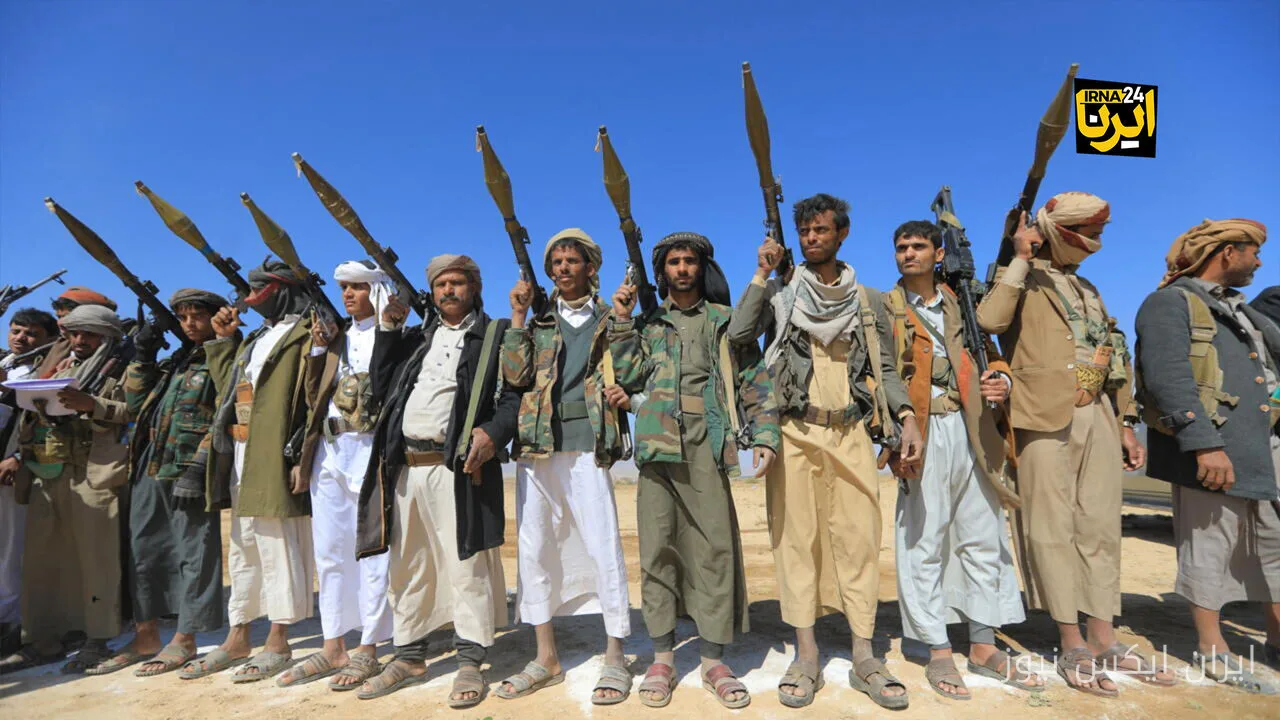
In recent developments in Yemen, Ansar Allah forces have entered a new phase of their operations, clearly indicating a shift in their strategy from a defensive to an offensive stance. This change on the western coast of Yemen, particularly in the provinces of Taiz and Al Hudaydah, has resulted in significant advances, allowing them to bring several districts and coastal areas under control.
Strengthening Ansar Allah's Positions in the Red Sea
These advances have not only significantly strengthened Ansar Allah's position but have also increased the importance of the port of Mokha and the Bab al-Mandab Strait in the current equations. Hossein Ajrlou, an expert on West Asian affairs, views these developments as a sign of a change in assessments of the operational capabilities of the resistance forces. He believes that these changes may benefit Ansar Allah and its supporters in the near future.
Considering that the port of Mokha is recognized as one of the strategic points in controlling trade and military flows, advances in this area could have serious consequences for opposing parties, especially the Saudi coalition. This coalition, which has sought to limit Ansar Allah's influence, now faces a more serious threat.
Global and Regional Consequences
The change in Ansar Allah's strategy not only has serious implications for Yemen but also for the overall situation in the region. Given the importance of the Bab al-Mandab Strait as a maritime strategic point, these developments could impact oil prices and global energy security. Especially since oil-exporting countries are heavily dependent on this strait, any change in control of this area could directly affect global markets.
In light of these developments, various reactions from Western and Arab countries should be anticipated. Will this change in Ansar Allah's strategy be able to alter the equations of war? Or will the Saudi coalition and its supporters be able to respond to this challenge? The future of Yemen and the region is heavily dependent on these developments.