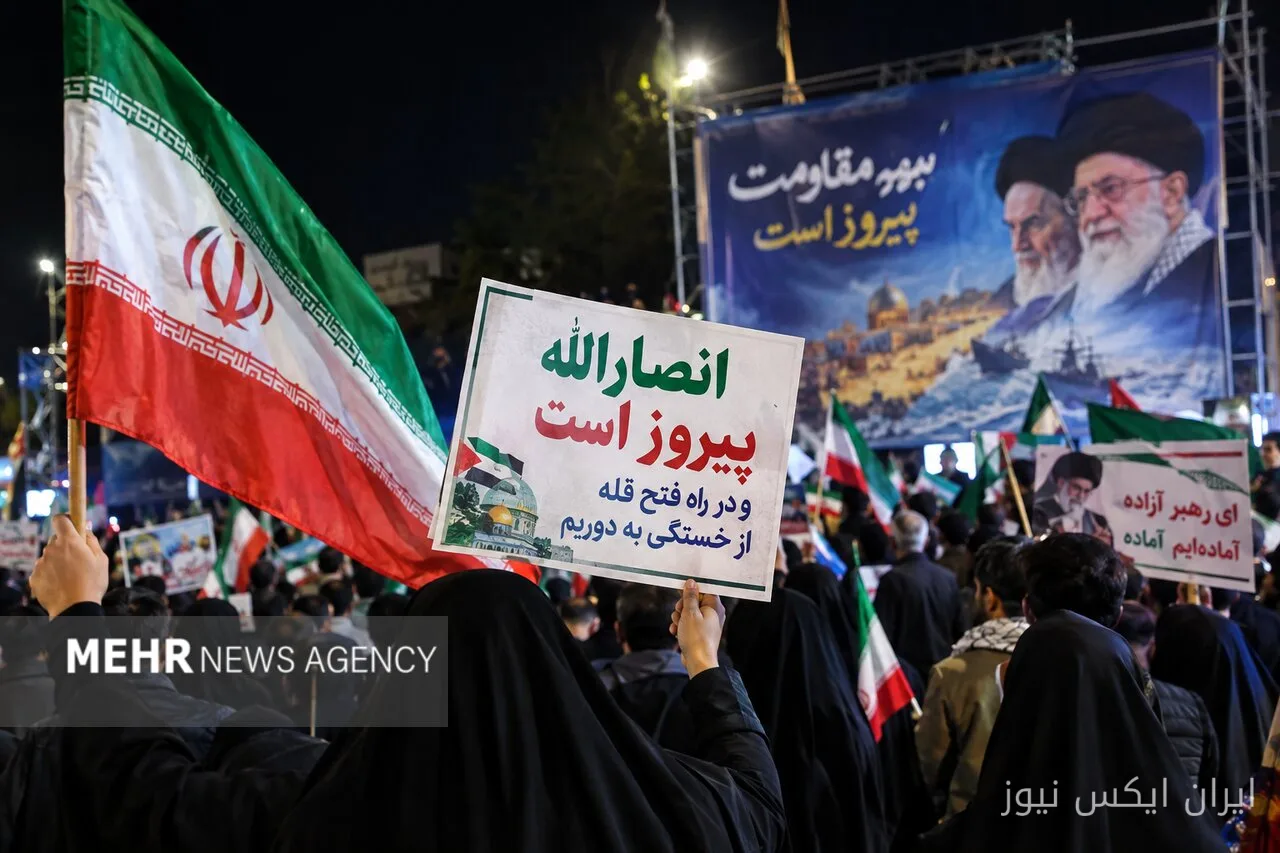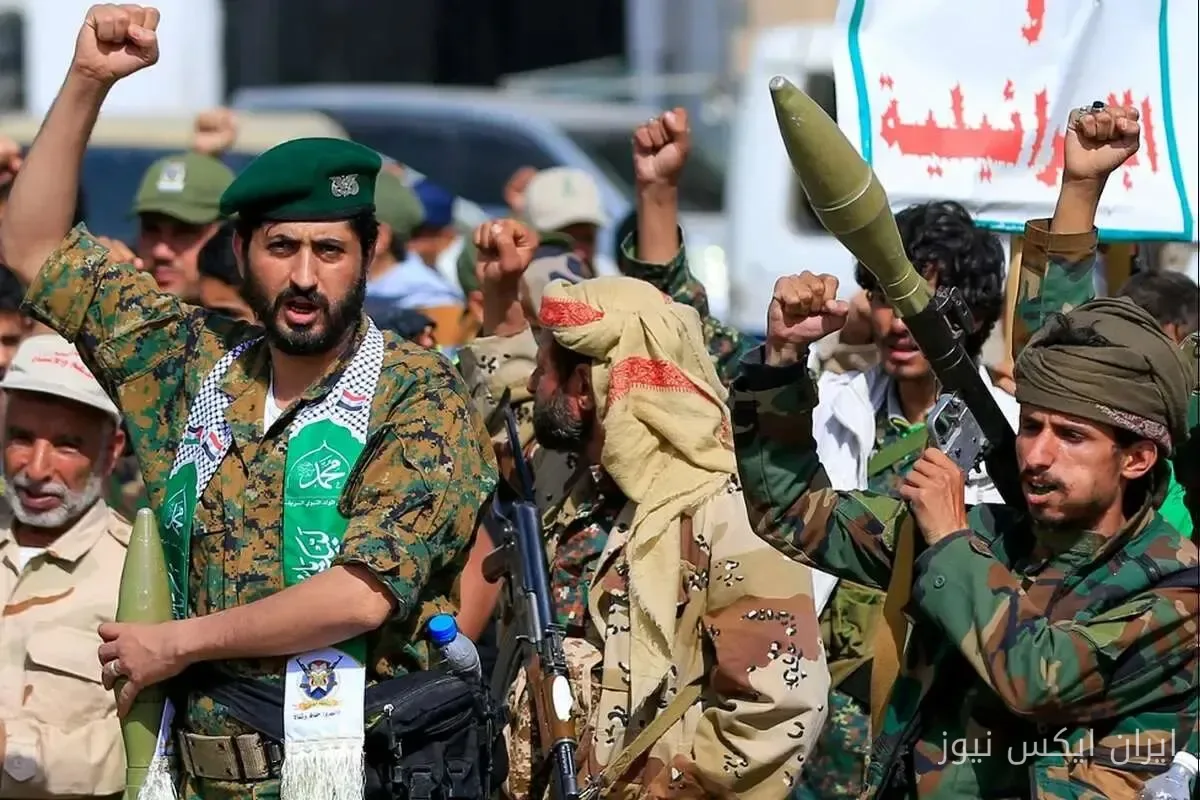
In the latest analyses, the expansion of Ansarullah's control over the Red Sea has been described as a prominent sign of the activation of Iran's regional network. This network has managed to significantly showcase itself at a moment when Tehran needed it, displaying its power and cohesion.
Ansarullah's Show of Strength
Ansarullah, the Yemeni group recognized as Iran's representative in the Yemen war, has recently been able to gain more control over the Red Sea. This control not only means dominance over maritime routes but also allows Ansarullah to directly influence regional developments. While one of this group's main objectives is to counter the influence of Saudi Arabia and the United Arab Emirates, their expanding influence has clearly become a threat to Western interests in the region.
Regional Implications
These developments carry serious implications for the existing order in the Persian Gulf and the Red Sea. Ansarullah's control over these strategic waterways could lead to increased tensions between Iran and its regional rivals. However, it seems that Ansarullah's ability to employ effective and adaptable strategies in these circumstances is considered a strength. This group knows well how to exploit the current conditions to get closer to its goals.
Ultimately, these developments signify a fundamental change in the power equations in the region. As Ansarullah and Iran grow stronger in this arena, we are likely to witness further changes in regional and global policies. It appears that Tehran is forming a powerful and cohesive network that could play more key roles in the near future.