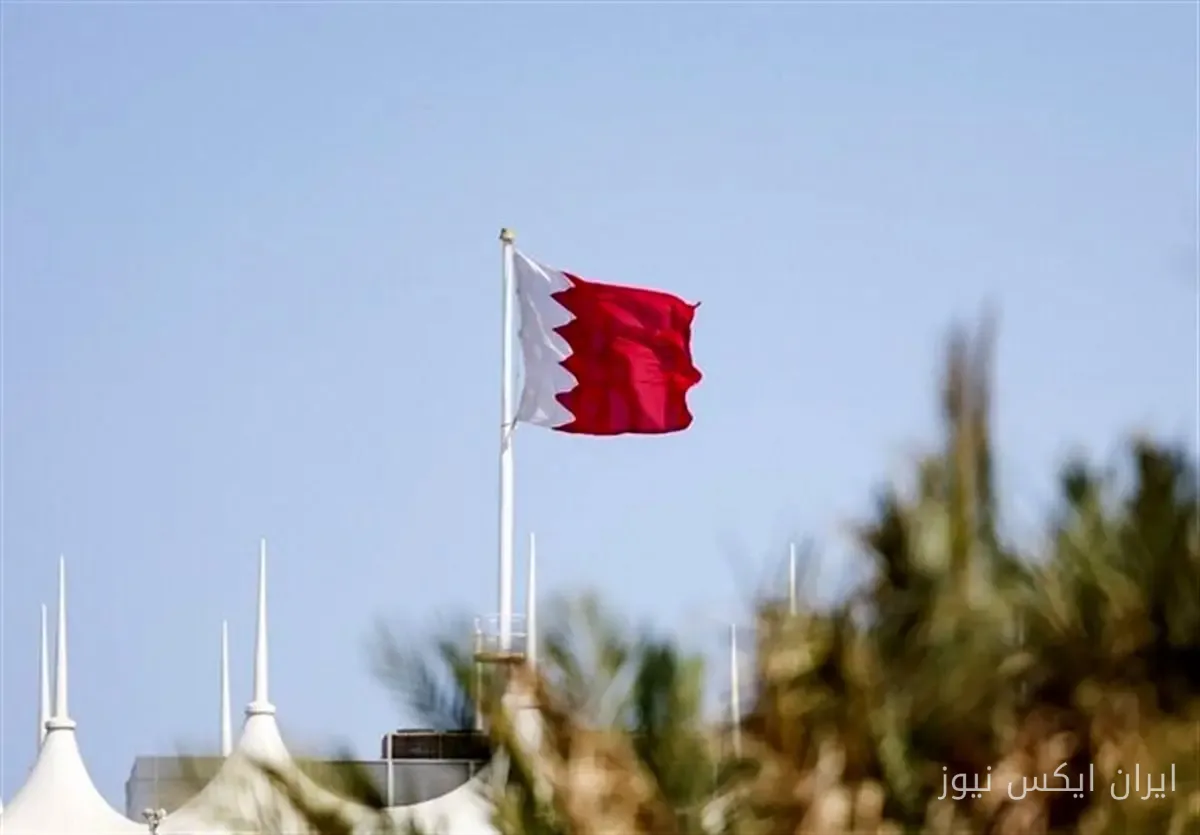
Bahrain announced today, Saturday, that it will not participate in the regional ministerial meeting scheduled for Monday in Muscat, the capital of Oman. This meeting aims to discuss the situation in the Strait of Hormuz and exchange views on security and economic issues, but Bahrain's absence somewhat reflects the existing tensions between this country and Iran.
Boycotting meetings; a sign of regional tensions
This decision by Bahrain comes at a time when relations between Tehran and Manama have been affected by various issues in recent months. Bahrain, as one of the main supporters of the Arab coalition against Iran, has always sought to strengthen its positions against Tehran's influence in the region. The absence of this country from the Muscat meeting could be seen as a warning sign for other countries in the region.
While joint meetings for dialogue and interaction in various fields seem necessary, Bahrain's decision may negatively impact security and economic cooperation in the region. Analysts believe that such actions will only exacerbate crises and tensions.
Political and economic consequences of Bahrain's absence
Bahrain's absence from the Muscat meeting may also have significant economic repercussions. The Strait of Hormuz, as one of the most important oil transport routes in the world, is always in the spotlight, and any lack of agreement or cooperation among neighboring countries could lead to increased volatility in global oil markets.
It seems that Bahrain is trying to send a message to other countries in the region by adopting firm positions that relations with Iran must occur under specific conditions. Over time, it remains to be seen whether this decision by Bahrain will act as an effective strategy in facing challenges or not.