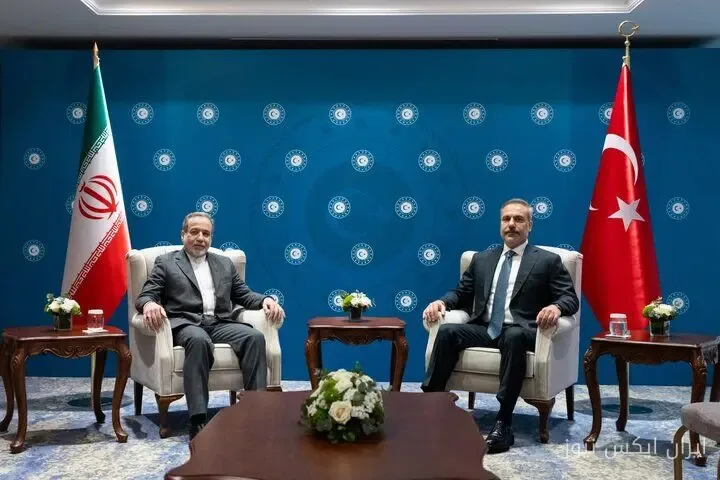
Bahrain has announced that it will not participate in the meeting between Iran and the Arab countries of the Persian Gulf, which is dedicated to key discussions about the Strait of Hormuz. This decision clearly reflects the increasing tensions in the region and the challenges that Arab countries are facing.
Why did Bahrain choose to abstain?
The Strait of Hormuz, as one of the most important waterways in the world, plays a vital role in the transportation of oil and strategic goods. Bahrain's absence from this meeting could be seen as an approach from Manama to express dissatisfaction with Iran's policies. Meanwhile, other Arab countries like Saudi Arabia and the United Arab Emirates have shown a strong willingness to participate in this meeting, seeking to strengthen relations and security cooperation in the region.
Consequences of this decision
Bahrain's absence from this meeting could lead to further rifts in the unity of Arab countries and also increase concerns about maritime security in the Strait of Hormuz. Many analysts believe that this action could strengthen Iran's position in the region and escalate tensions between Tehran and Arab countries. Given that diplomatic relations are currently under pressure, Bahrain's absence could send negative messages to the international community.
Ultimately, this decision by Bahrain not only affects the international relations of this country but could also challenge regional security. Considering the importance of the Strait of Hormuz, other countries should take into account what effects Bahrain's absence will have on their future policies.