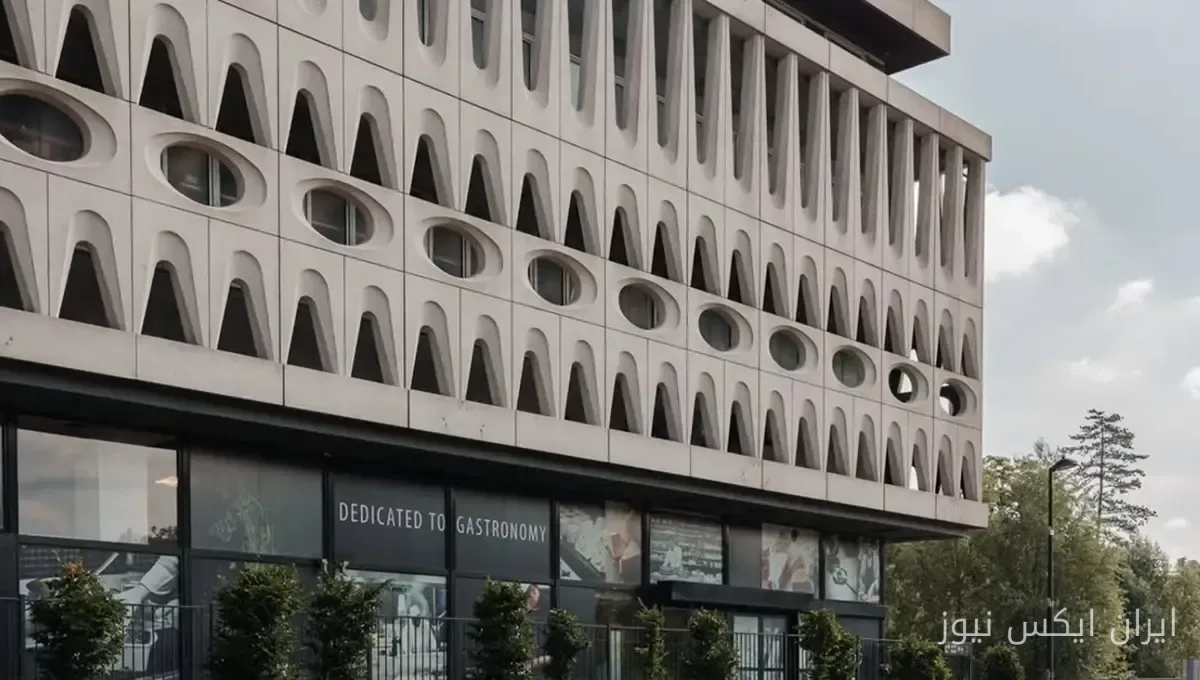
Brussels, a city that was once at the center of criticism for its Brutalist architecture, is now gradually embracing this architectural style again. This change in approach in recent years reflects a transformation in the attitude towards the cultural and architectural heritage of this city.
A Tense Era for Brutalism
Brutalist architecture, with its rough appearance and use of raw concrete, gained popularity in the 1950s and 1960s and became a symbol of modernism. However, over time and with changing tastes, this style was pushed to the margins, and many of its buildings were demolished or renovated. Brussels was no exception, and its Brutalist buildings were gradually forgotten.
However, in recent years, changes in public perception towards this architectural style have begun. While some architects and designers are seeking to revive this style and restore historical buildings, citizens have also come to appreciate the artistic and historical values of these works.
Reviving Not Only Architecture but Also Culture
Brussels, as a cultural and artistic center, is striving to revive its Brutalist buildings, not only to restore architecture but also to revive its cultural spirit. This decision signifies a return to roots and a reconsideration of the values of modern architecture. Now, these buildings are no longer seen merely as soulless structures but have become symbols of the history and culture of the community.
As a result, Brussels is looking to create a space where Brutalist architecture is recognized not only as a style but also as an integral part of urban identity. With this approach, it is expected that in the near future, these buildings will once again come into the spotlight and become one of the tourist attractions of this city.