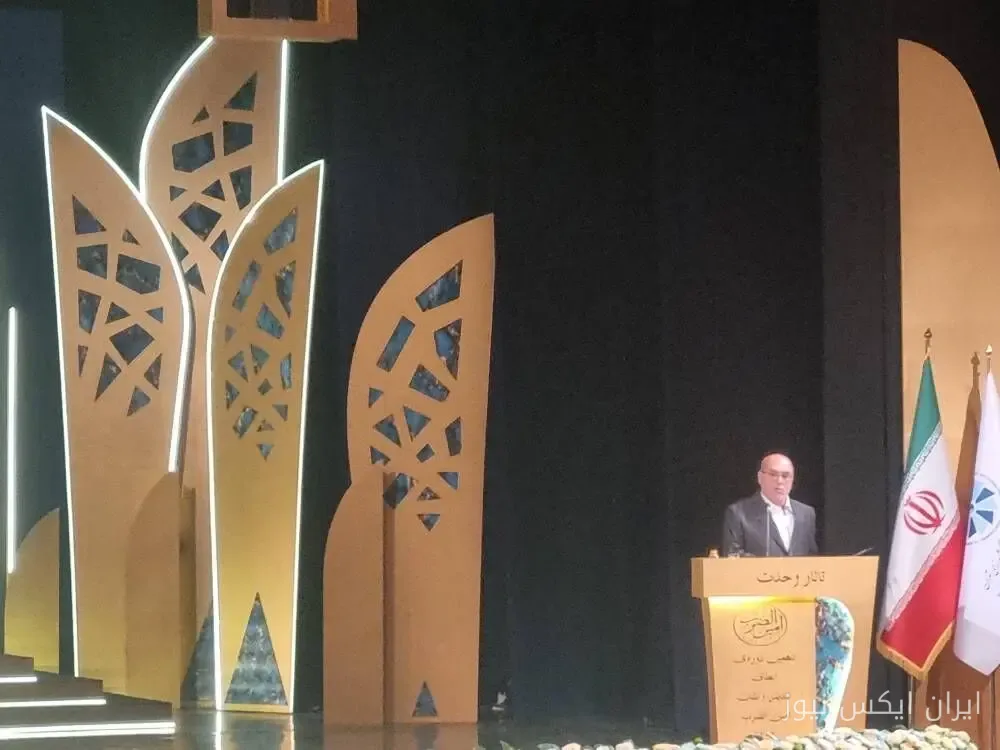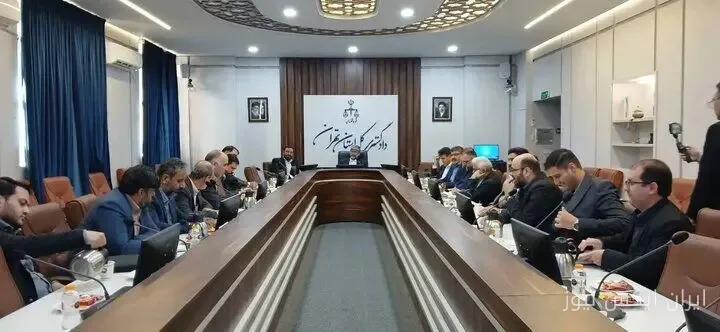
Census 1405 is set to be conducted in a completely different and modern manner. The head of the Statistical Center of Iran has stated that this census will be carried out with the least possible in-person visits. These changes are not only in line with the development of new technologies but also aim to improve the accuracy and speed of data collection.
Transformation in Data Collection Methods
The head of the Statistical Center of Iran emphasized that the use of advanced technologies, especially in digital and internet fields, can significantly aid in collecting information remotely. These changes are particularly essential in the current circumstances where issues such as the outbreak of infectious diseases and social restrictions are present.
In the past, censuses were conducted through in-person visits to households, which was not only time-consuming but also affected the accuracy of statistics due to issues such as inaccessibility to certain areas. With the implementation of Census 1405, the main goal is to reduce these problems and collect information quickly and accurately.
Challenges and Opportunities
Although these changes are promising, implementing such a plan also brings its own specific challenges. The need for appropriate digital infrastructure and educating the public to use these new methods are among the obstacles ahead. However, experts believe that if these challenges are managed properly, it can lead to improved quality of life and the development of economic and social planning.
Census 1405 could be recognized as a turning point in the history of data collection in the country, provided it is conducted with precision and proper planning. This initiative not only aligns with the goals of sustainable development but can also serve as a successful model for other countries.