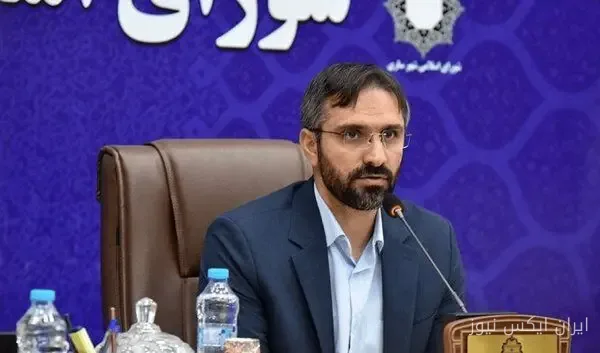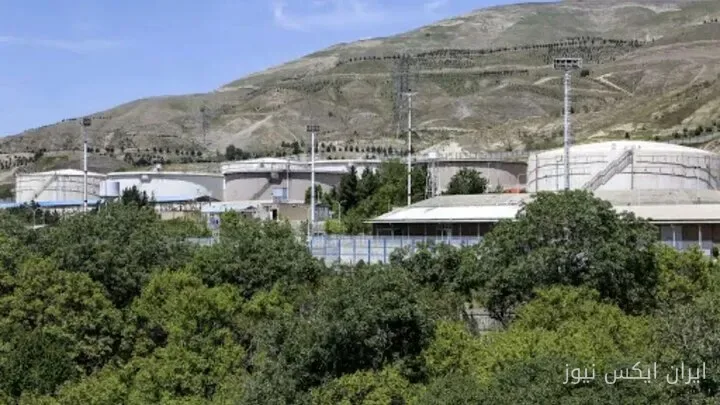
In the four hundred and thirty-first session of the Tehran City Council, a controversial and dangerous topic was discussed. Mohsen Chamran, the head of the City Council, recalled the war period and the dangers that faced Tehran at that time. He said: "In previous periods, we had considered a wall around the oil depot to prevent harm to the city, but at that time we did not think about bombing." These statements reflect the instability and lack of preparedness against military threats that can clearly have irreparable consequences.
Concern Over a Major Catastrophe
Chamran further emphasized that during the war, only 20 percent of the oil tanks were being used, and if this amount had been higher, "it was unclear what catastrophe might occur." These statements clearly indicate the high level of dangers that the capital of the country has faced and continues to face. In the current situation, where Tehran is confronted with multiple environmental and economic challenges, such concerns can take on new dimensions.
Following these statements, the Tehran City Council passed a bill with maximum votes in favor to identify suitable locations for creating oil tanks. This decision is significant as it can help improve conditions and reduce the risks arising from potential bombings in the future.
A Troubling Future
With the approval of this bill, the members of the Tehran City Council are seeking to create a safe and sustainable environment for oil storage in the capital. Although this action can help reduce risks, many questions remain about the future of oil and energy in the country and the challenges ahead for Tehran. Will these measures be sufficient or are new threats on the way?