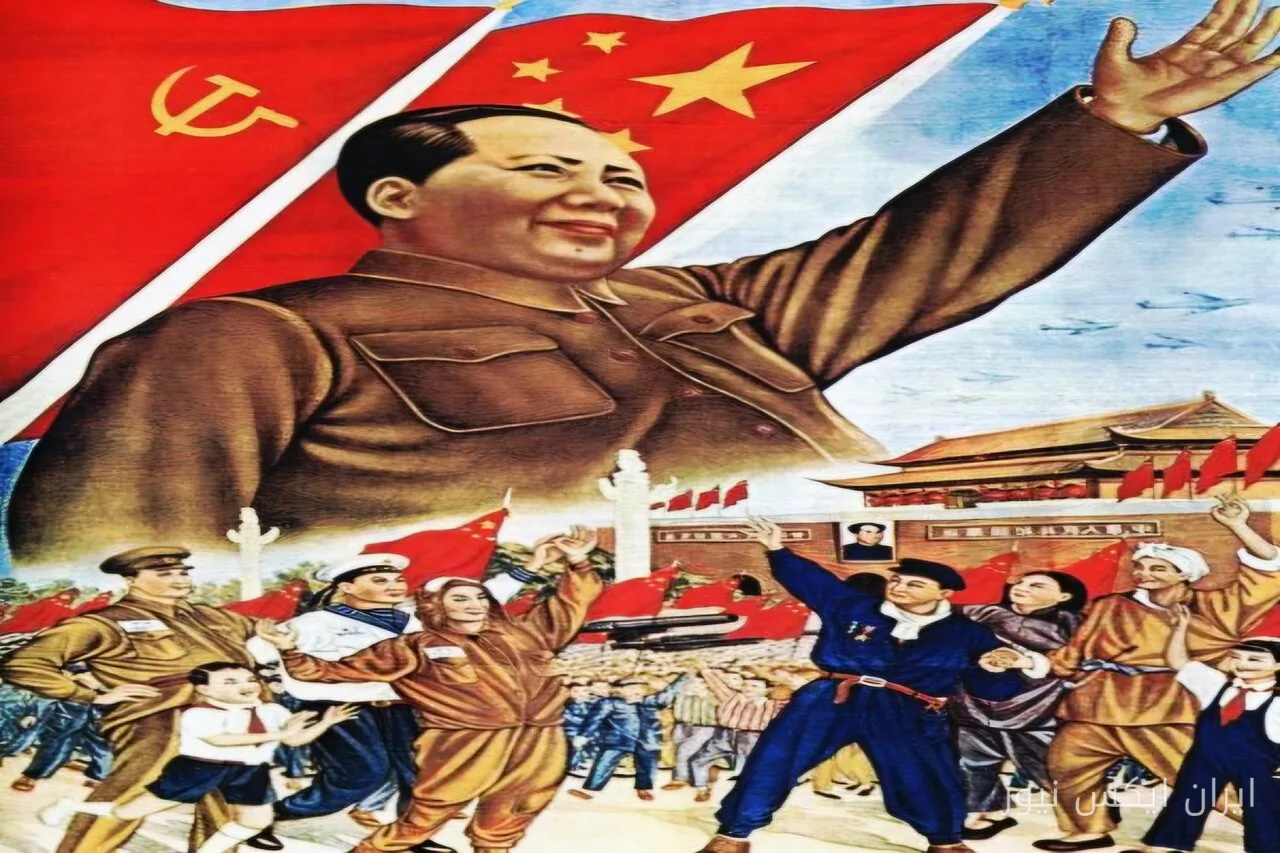
After the rise of the Communist Party in China, Mao Zedong decided to implement ambitious economic programs aimed at transforming China into one of the world's major economic powers. However, these programs not only failed to bring about economic prosperity but also plunged the country into one of the largest famines in history.
Progress or Disaster?
In the 1950s, Mao relied on the principles of communism and implemented programs such as the "Great Leap Forward" in an attempt to dramatically increase agricultural and industrial production. However, these actions led to a major disaster due to a lack of proper infrastructure and poor management. Traditional agriculture was quickly abandoned, and the push for rapid industrialization weakened food resources, resulting in widespread famine.
Results and Consequences
This famine, which occurred between 1959 and 1961, resulted in the deaths of millions and ultimately severely undermined the credibility of the Communist Party. This bitter reality illustrates that in the world of politics and economics, grand aspirations and ideas cannot lead to success without regard for existing realities and social conditions.
While Mao sought a prosperous and powerful China, the disastrous outcomes of his actions demonstrate how ideological thinking can come at the cost of human lives. This story offers lessons not only for China but for all countries that wish to embark on the path of development.