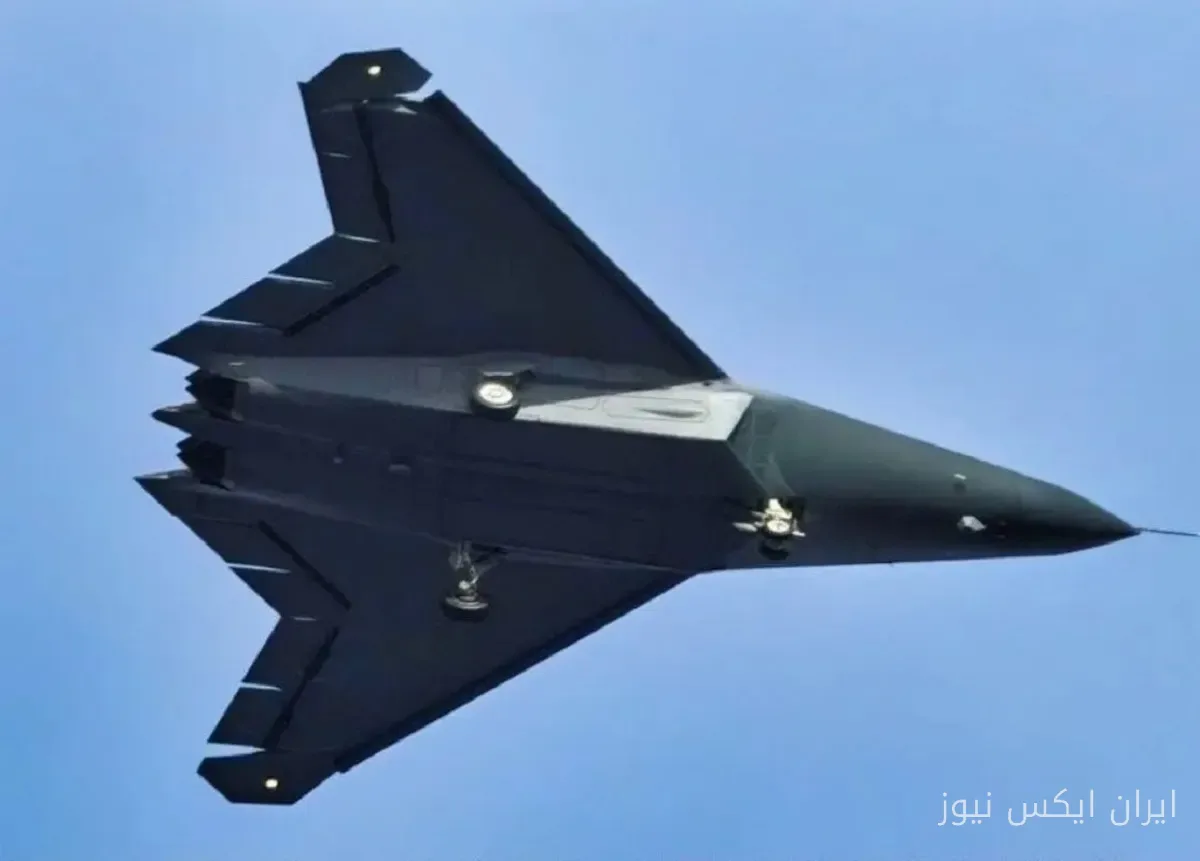
China has recently announced that it is researching and developing new fighters that will be able to continue flying even if the pilot becomes incapacitated. This advancement could not only enhance the operational independence of aircraft on the battlefield but also provide the capability for navigation without the need for satellite signals.
Development of Innovative Warfare Technologies
These new fighters, which are somewhat referred to as autonomous fighters, can coordinate with unmanned aerial vehicles and simultaneously carry out complex operations. This, in turn, could significantly alter China's military strategies and enable the country to operate in future battles in a new and more efficient manner.
Given the rapid pace of advancements in military technologies, these fighters could be considered one of China's most important tools in national defense and security. Chinese military officials believe that this technology could help reduce the risks associated with aerial operations and also allow pilots to focus more on strategies and key decision-making in critical situations.
Challenges and Opportunities
Despite all these advantages, the development of such technologies also comes with its own specific challenges. Among these challenges are security and ethical issues related to the use of autonomous fighters on the battlefield. Can we truly trust an autonomous system to make critical decisions in sensitive moments? This is a question that still requires deeper examination and analysis.
In any case, China is seeking to change the balance of power in the military arena with this initiative, and these next-generation fighters could be recognized as a milestone in the history of aerial warfare. Will this country soon become one of the leaders in military technologies? Time will tell.