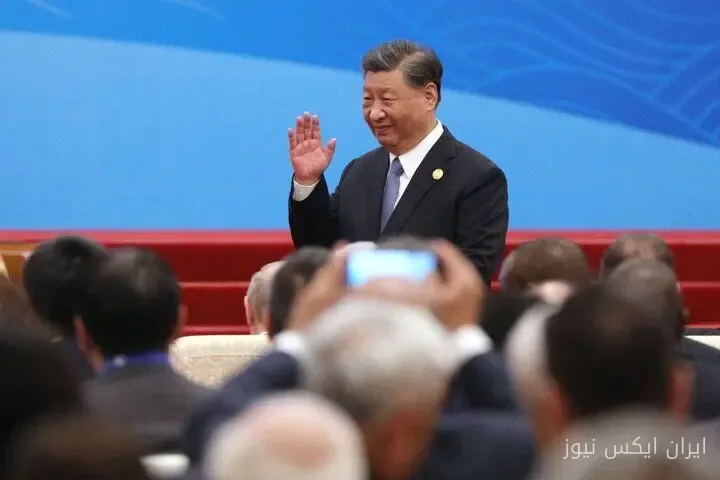
In an important announcement made today (Saturday) at the BRICS summit, Xi Jinping, the President of China, revealed that China will assume the presidency of this global group in 2027. This summit, recognized as a key platform for economic and political cooperation among major and developing countries, holds special significance in the international arena.
Prospects and Challenges
As an emerging economic and political power, China, by taking on the presidency of BRICS, will have a golden opportunity to strengthen its relations with other countries, especially in the economic and trade sectors. This move could also be seen as a milestone in China's efforts to become a more effective global power in the international arena.
However, China's presidency of BRICS will also come with challenges. Given the existing tensions in China's relations with other global powers, particularly the United States, the country must strive to create a cooperative and convergent environment with the other members of this group. The upcoming BRICS summit, which will be held in China in 2027, could provide an opportunity to enhance multilateral diplomacy and build consensus on various issues.
Global Implications
China's move towards the presidency of BRICS could have significant implications for global policies. The country is striving to respond to global challenges by creating a powerful economic bloc and strengthening its role in the international system. Thus, China's presidency of BRICS could be seen as a sign of changes in the global power equations and their impact on the economic and social policies of countries.
In summary, China's presidency of BRICS in 2027 is not only an opportunity to strengthen this country's international relations but could also bring about a fundamental change in global equations. This news heralds the beginning of a new chapter in international interactions, and it remains to be seen how China will leverage this opportunity.