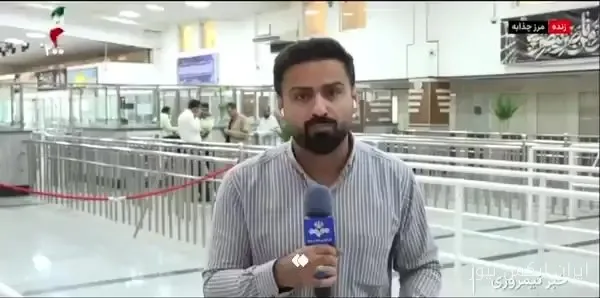
While the status of the borders of Iraq has become one of the current issues, Iranians are still waiting for the reopening of these borders. The closure of the borders has not only affected tourism and family travel but has also seriously harmed trade and the economy.
Economic Impacts of Border Closures
The closure of Iraq's borders due to security and political decisions has directly impacted trade and economic exchanges with Iran. Given that Iraq is one of the main destinations for Iranian goods exports, these restrictions have led to reduced sales and increased transportation costs. Many Iranian traders are concerned that this situation may persist and that they may not find new markets for their goods soon.
On the other hand, families who had gone to the borders in hopes of seeing their loved ones are facing disappointment. This issue is particularly evident during holidays and religious occasions when travel to Iraq for visiting holy shrines is very common.
Possibility of Policy Changes
Considering the current conditions, some analysts believe that the Iraqi government may soon take measures to reopen the borders. These changes could be due to internal economic and social pressures in Iraq. On the other hand, Iranian officials are also seeking solutions to resume exchanges and travel.
However, as long as the security situation in Iraq does not improve, the closure of the borders may continue. This situation will negatively affect not only family travels but also the economic relations between the two countries. Currently, Iranians are closely following the news about the borders and hope to see them reopened as soon as possible.