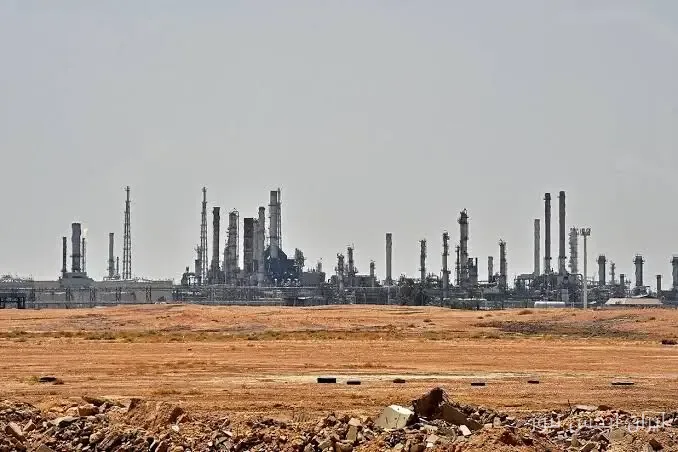
Saudi Arabia has recently announced that after several attacks on oil lines, it has closed its vital East-West pipeline as a precautionary measure. This pipeline, recognized as one of the main routes for transporting Saudi oil to global markets, has come under threat, raising serious concerns in the energy sector.
Attacks and Their Consequences
The Saudi Ministry of Energy stated in a statement that these attacks have resulted in injuries to several individuals. Meanwhile, Saudi Arabia, as one of the largest oil producers in the world, is always under various security and political pressures. The closure of this pipeline not only affects Saudi oil production and exports but could also lead to fluctuations in oil prices in global markets.
Global Concerns
As the global economy is heavily dependent on Middle Eastern oil, this closure could be a warning sign for many oil-consuming countries. Experts believe that this crisis may have serious repercussions for the global energy market. Given the existing tensions in the region and repeated attacks on oil facilities, the question arises whether Saudi Arabia will be able to maintain the security of its oil transport lines.
In this context, some economic analysts believe that this situation could lead to an increase in oil prices, resulting in widespread economic consequences for oil-importing countries. In this regard, Saudi Arabia needs to consider additional security measures to protect its oil infrastructure to prevent the recurrence of such incidents.