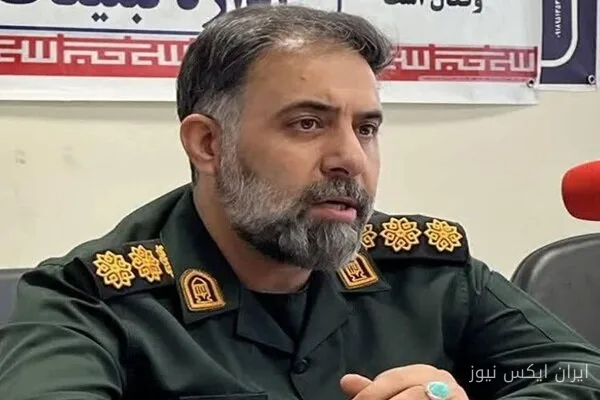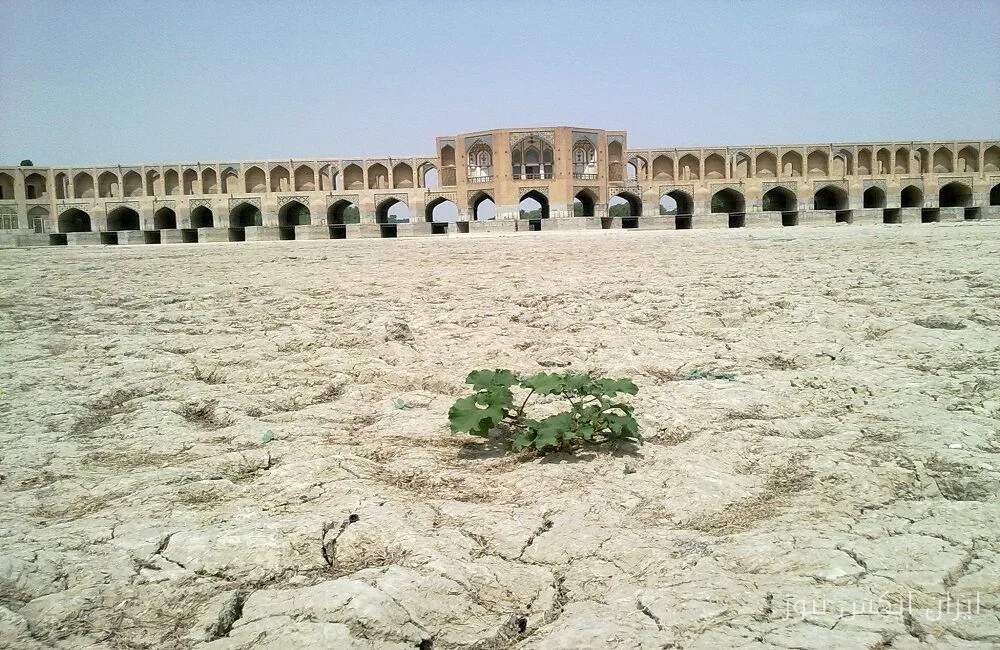
Isfahan, one of the important water regions of Iran, is facing serious drought issues with the Zayandeh Rud. The head of the National Watershed Association stated in a statement that to revive and permanently flow the Zayandeh Rud, one must move beyond a purely water-centric view and simultaneously consider physical, social, political, and economic components.
The Necessity of Comprehensive Governance
The Zayandeh Rud, as the vital artery of Isfahan, is one of the main water sources for agriculture and drinking in this region. However, its dryness has turned into a serious crisis that requires new and comprehensive policies. The head of the National Watershed Association stated that water governance must transform into watershed governance to effectively respond to this crisis.
He added: "This comprehensive governance includes considering all components and stakeholders. From farmers to industries and local residents, everyone must participate in this process to achieve a sustainable solution for the Zayandeh Rud."
Existing Challenges
Despite the actions taken so far to revive the Zayandeh Rud, there are still many challenges facing policymakers. Climate change, excessive water consumption, and improper management of water resources are among the problems exacerbating the drought crisis of the Zayandeh Rud.
The head of the National Watershed Association also emphasized the need for cooperation among government institutions, the private sector, and the local community. Without this cooperation, any efforts to revive the Zayandeh Rud may remain fruitless.
In summary, to save the Zayandeh Rud and ensure water for future generations, we need a comprehensive and synergistic approach. This approach should be designed in a way that all stakeholders participate and national interests are considered.