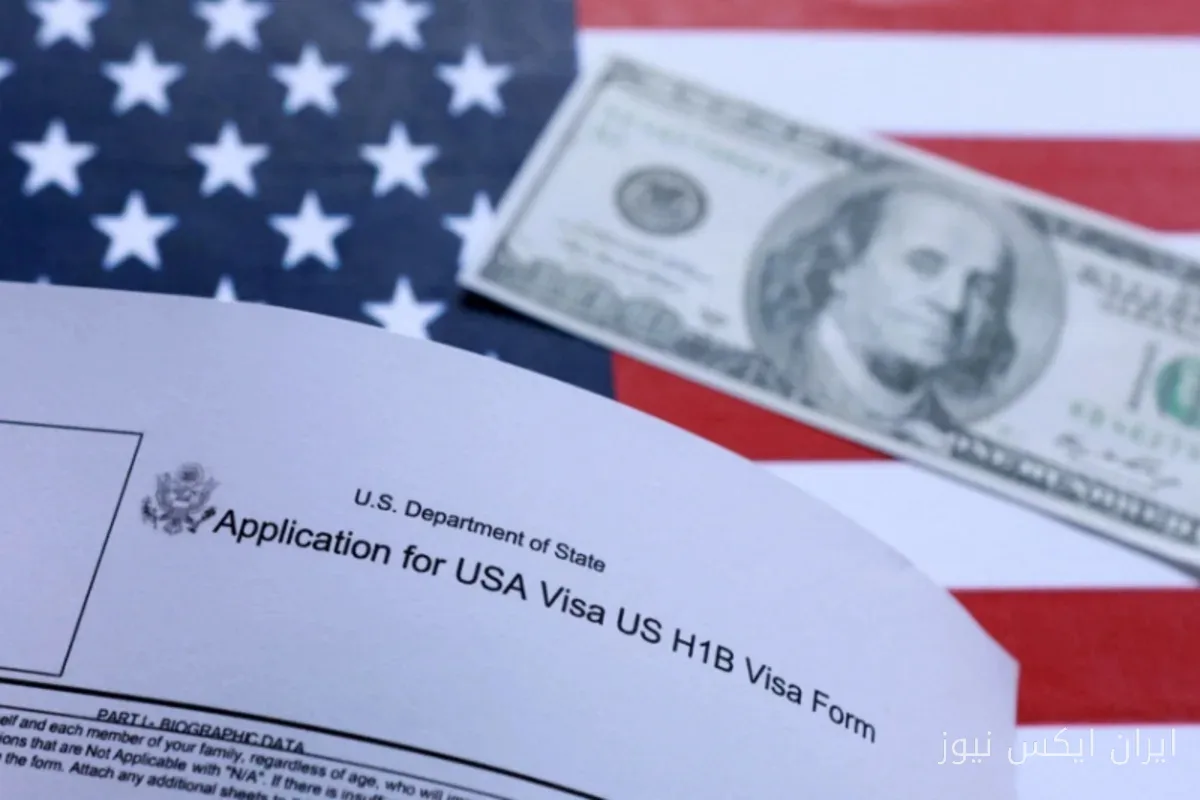
The previous U.S. government is controversially considering the elimination of the grace period for H-1B visa holders. This visa allows foreign workers to be employed by American companies, and it is now at the center of a new dispute. The cancellation of this period means that foreign workers will have only a limited opportunity to find new employment after losing their jobs.
Background and Consequences
The H-1B visa is particularly popular in the information technology and engineering industries, allowing companies to benefit from global expertise. The cancellation of the grace period could mean a rapid loss of residency rights for many workers, especially in the current economic climate, forcing them to leave the country. These changes will raise concerns about social and economic repercussions.
Reactions and Criticism
This action has faced severe criticism from human rights groups and labor activists. They believe that this change could create an atmosphere of despair and insecurity among workers. Additionally, this action may lead to a decrease in diversity in American workplaces, as many companies seek to attract international talent.
Meanwhile, some economic experts have pointed to the negative consequences of this decision on the labor market and economic growth. They argue that restricting access to foreign workers could lead to reduced innovation and growth in various industries.
Some analysts emphasize that this decision may be seen as part of a larger strategy to limit immigration to the United States. This comes at a time when many employers are heavily reliant on this visa and use it as a tool to meet their workforce needs.
Given the current circumstances, the future of H-1B visa holders and the state of the labor market in the United States will be significantly impacted by this decision, and it remains to be seen how the labor community and industry will respond to these changes.