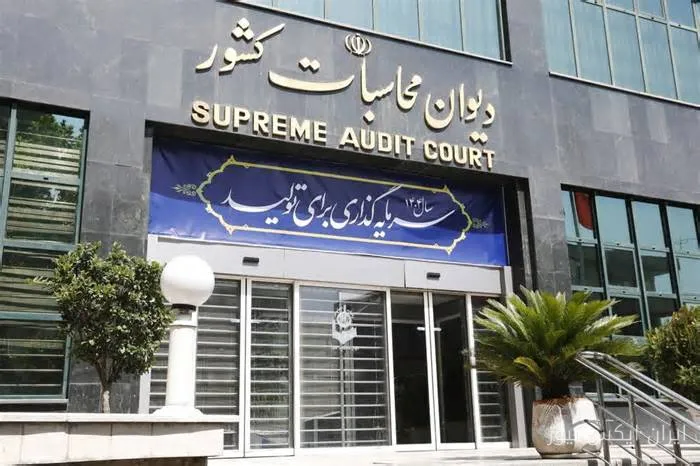
The Court of Audit, in a controversial move, stressed the need for organizing and merging high councils and council institutions. This action, aimed at implementing clause (b) of Article 105 of the Seventh Development Plan, has been proposed as a fundamental solution for reducing costs and improving efficiency in the country's administrative system.
The Necessity of Merging Councils
In recent years, the number of high councils and council institutions in the country has significantly increased. This increase has not only caused overlapping responsibilities but has also greatly raised current expenses. The Court of Audit, considering this reality, has introduced the proposal to merge these institutions as an effective solution. According to experts, this merger could lead to a reduction in bureaucracy, facilitate processes, and ultimately enhance government efficiency.
Existing Challenges and Solutions
Despite the potential benefits of this action, there are challenges in its path. Many experts believe that merging councils may face political and administrative resistance. At the same time, the Court of Audit emphasizes the need for a thorough and expert examination of this issue and has called for cooperation from all institutions and organizations in this regard.
In conclusion, it can be said that the plan to merge high councils and council institutions is an important step towards structural reforms in the country's administrative system. Can this action lead to the fulfillment of the government's promises regarding improving efficiency and reducing costs? The future will provide the answer to this question.