COVID-19 and influenza have once again come into focus with the arrival of the cold season. The positive rate of COVID-19 reached 11.7% in the twenty-fifth week, surpassing the high warning threshold. This increase in cases clearly indicates the necessity of intensifying care for acute respiratory infections.
Increase in Respiratory Infection Cases
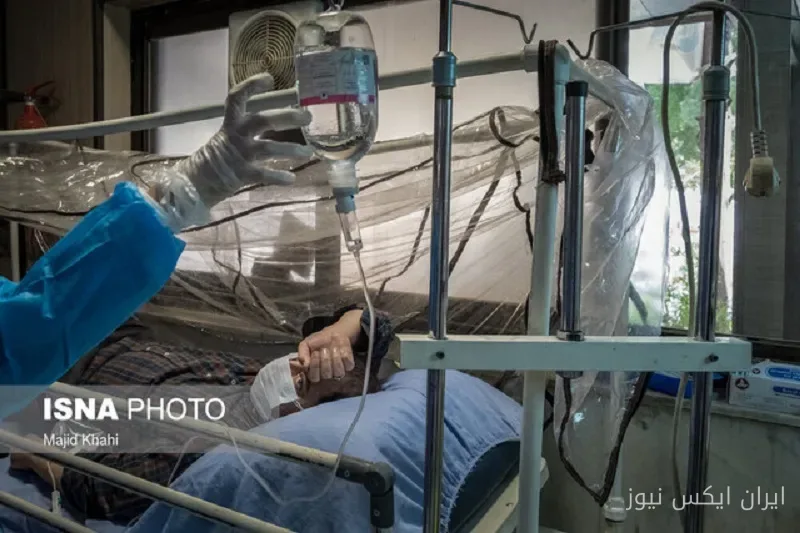
In the twenty-fifth week, 7.4% of outpatient visitors exhibited flu-like symptoms, and 6.9% of hospitalized patients reported severe respiratory infection symptoms. As we approach the autumn and winter seasons, conditions for the transmission of respiratory viruses become more favorable. The gathering of people in closed spaces, the reopening of schools and universities, are all factors that increase the risk of transmitting these viruses.
Read more: Today’s prayer times announced for Tuesday, 23rd of Shahrivar 1405
Among respiratory pathogens, COVID-19 is clearly circulating. In the current week, 4,296 respiratory samples were tested, of which 103 were positive for influenza, with 66.6% of positive influenza cases being type B. This change in the pattern of influenza circulation compared to last year underscores the importance of continuous monitoring of viruses.
Importance of Healthcare Precautions
Dr. Alireza Raeisi, Deputy Minister of Health, emphasized the necessity of adhering to preventive principles, stating that COVID-19 has now become an endemic disease. Therefore, the increase in cases does not mean that the country has entered an emergency situation, but adherence to health principles remains vital. Wearing masks in gatherings, handwashing, and individuals with symptoms avoiding closed spaces are among the actions that can help reduce the transmission of these diseases.
Children are also recognized as a high-risk group for influenza, with 36.8% of positive influenza cases related to children. This statistic reminds us of the necessity for special care for children in schools and communal environments.
The supply of the influenza vaccine has also faced challenges. Officials from the Food and Drug Organization have announced that issues such as financial transfers and transportation difficulties due to sanctions have disrupted the vaccine supply process. Therefore, in a situation where access to the vaccine is still not available for everyone, maintaining hygiene practices becomes even more important for high-risk groups.
Ultimately, the simultaneous circulation of COVID-19 and influenza during the cold season has raised serious concerns. Both viruses can cause respiratory symptoms and pose a greater risk of serious complications in the elderly, young children, pregnant women, and individuals with underlying health conditions. For this reason, preparedness for the cold season must go beyond vaccine provision and include a chain of care, diagnosis, information dissemination, and medication supply.
Read more: Research by Sanju Sinha on the aging of body organs · Reducing the risk of heart disease by adhering to blood pressure medications