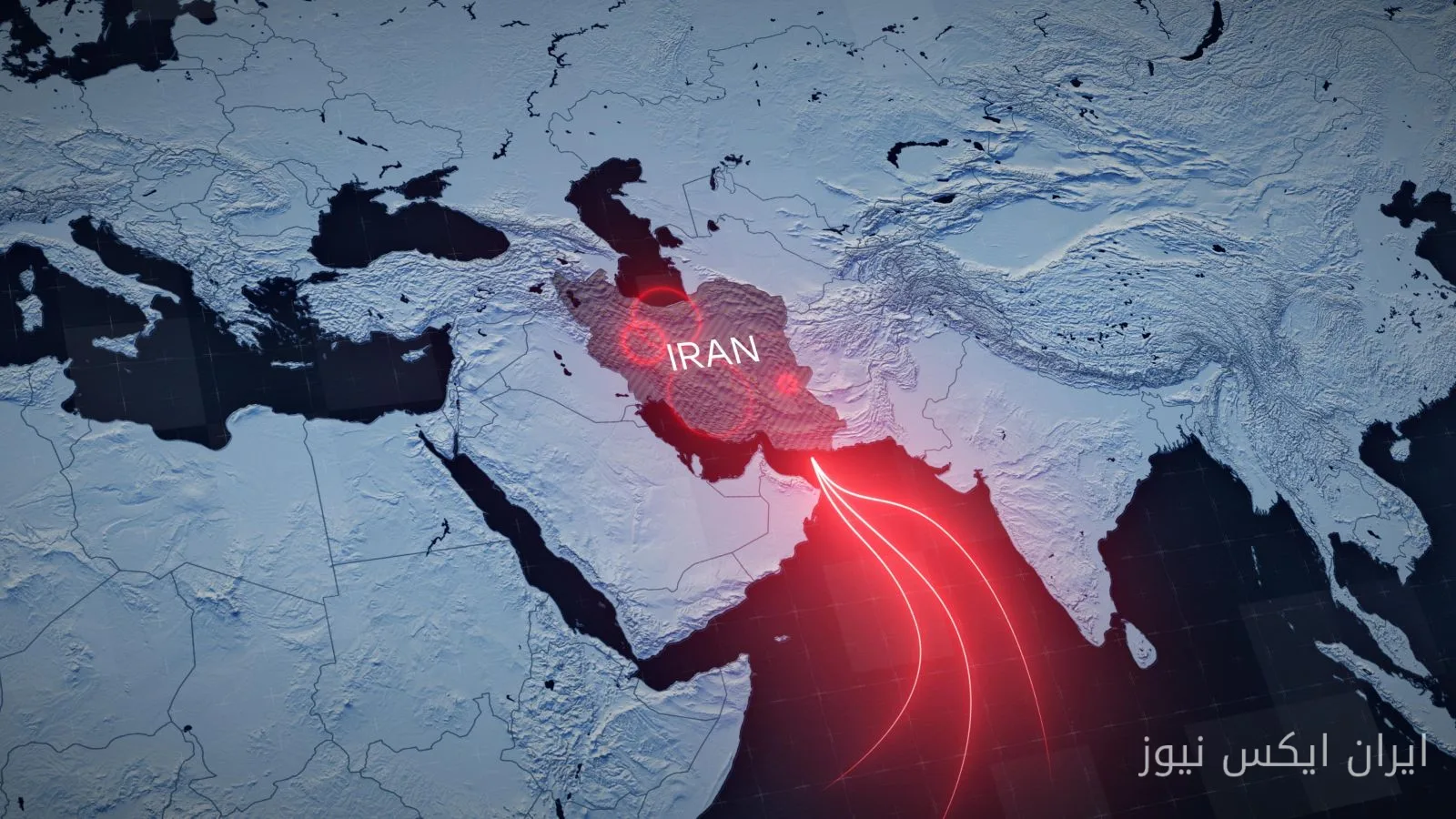
In recent days, the escalation of tensions in the Middle East, particularly in critical areas like Iran and Israel, has caused an unprecedented increase in crude oil prices. Analysts believe that these developments have not only impacted the energy market but could also lead to further economic challenges for oil-dependent countries.
Reasons for the Increase in Oil Prices
With rising military threats and political instability in the region, crude oil prices have surged dramatically, reaching their highest levels in recent years. This situation has raised concerns among consumers and oil producers, prompting some countries to consider taking precautionary measures.
Analysts believe that if tensions continue, oil prices may rise to even higher levels. Meanwhile, global demand for oil continues to increase, further heightening various countries' dependence on Middle Eastern energy resources.
Economic Consequences
The increase in oil prices clearly affects people's living costs and can lead to higher prices for other goods and services. In the meantime, oil-producing countries may benefit from this situation, but consumer countries will face serious challenges.
Ultimately, it remains to be seen whether this upward trend in oil prices will be sustainable. Regardless, the current situation indicates that Middle Eastern tensions have a direct impact on the global economy, and everyone must seek solutions to manage this crisis.


