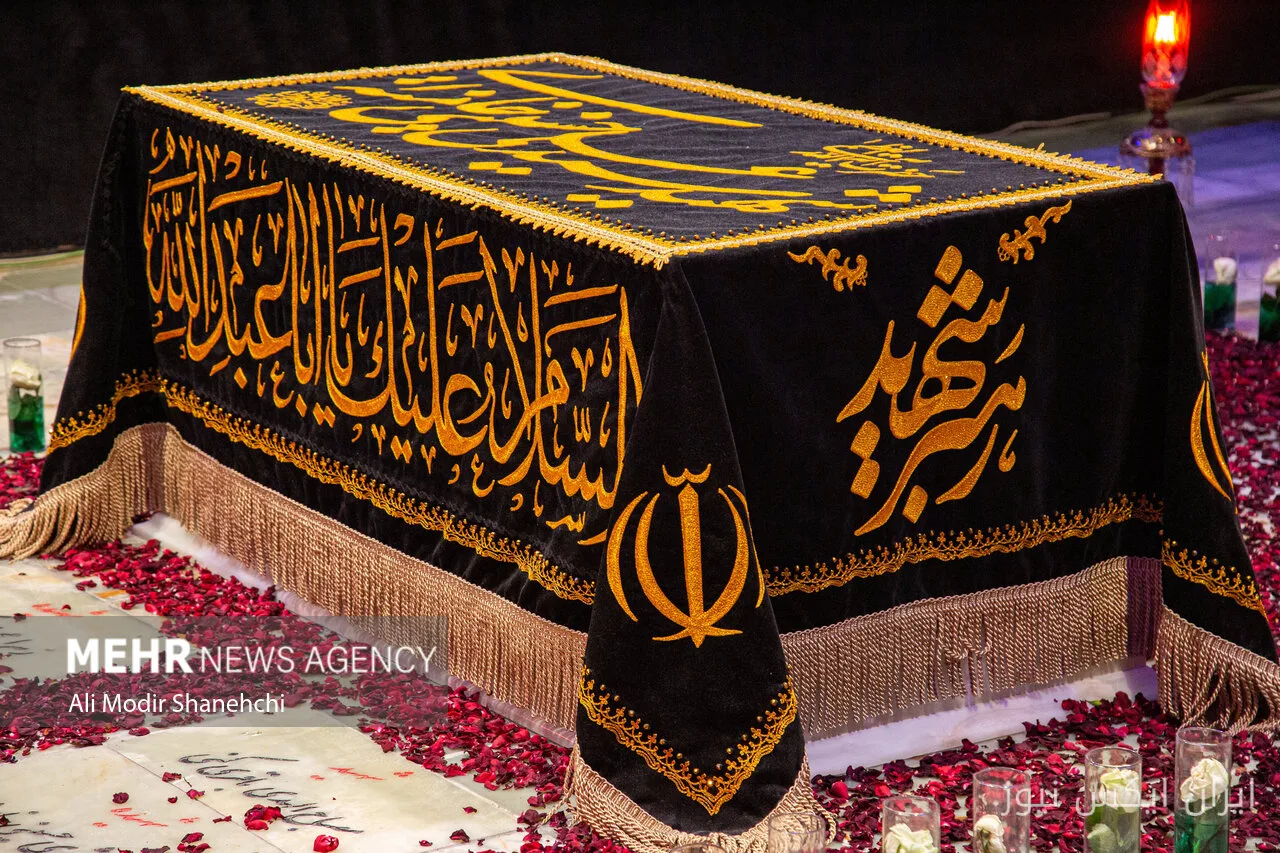
Mashhad, Dar al-Dhikr, a place that has long been a reminder of the oppression and martyrdom of the martyr leader, today has become a site for renewing bitter memories and examining the hidden dimensions of this tragedy. With every step you take here, the voices of oppression and the quest for justice resonate.
The Tomb and the Narrative of a History
Dar al-Dhikr is not only a tomb but also a symbol of a spirit that never surrenders. This place has become a site for revisiting the history of blood vengeance and oppression, attracting pilgrims and enthusiasts daily to honor not only the martyr leader's oppression but also his lofty ideals.
In this place, every corner tells a story of sacrifice and dedication. Visitors, with tear-filled eyes and hearts full of emotion, gather beside the martyr's tomb and express their love and devotion by writing notes. These notes themselves testify to the depth of the tragedy and its hidden dimensions.
The Manifestation of Oppression and Identity
Dar al-Dhikr is a place that not only reminds us of a historical tragedy but also serves as a manifestation of national and religious identity. People here remember how to remain loyal to their ideals and goals, even in the most difficult circumstances. Each visit to this place revives the deep roots of the culture of sacrifice and dedication in the heart of every Iranian.
Ultimately, Dar al-Dhikr stands as a symbol of oppression and blood vengeance, reminding not only the people of Mashhad but also every Iranian that justice must be established and the memory of martyrs must always be kept alive. This place is more than just a burial site; Dar al-Dhikr is a testament to our history and culture.