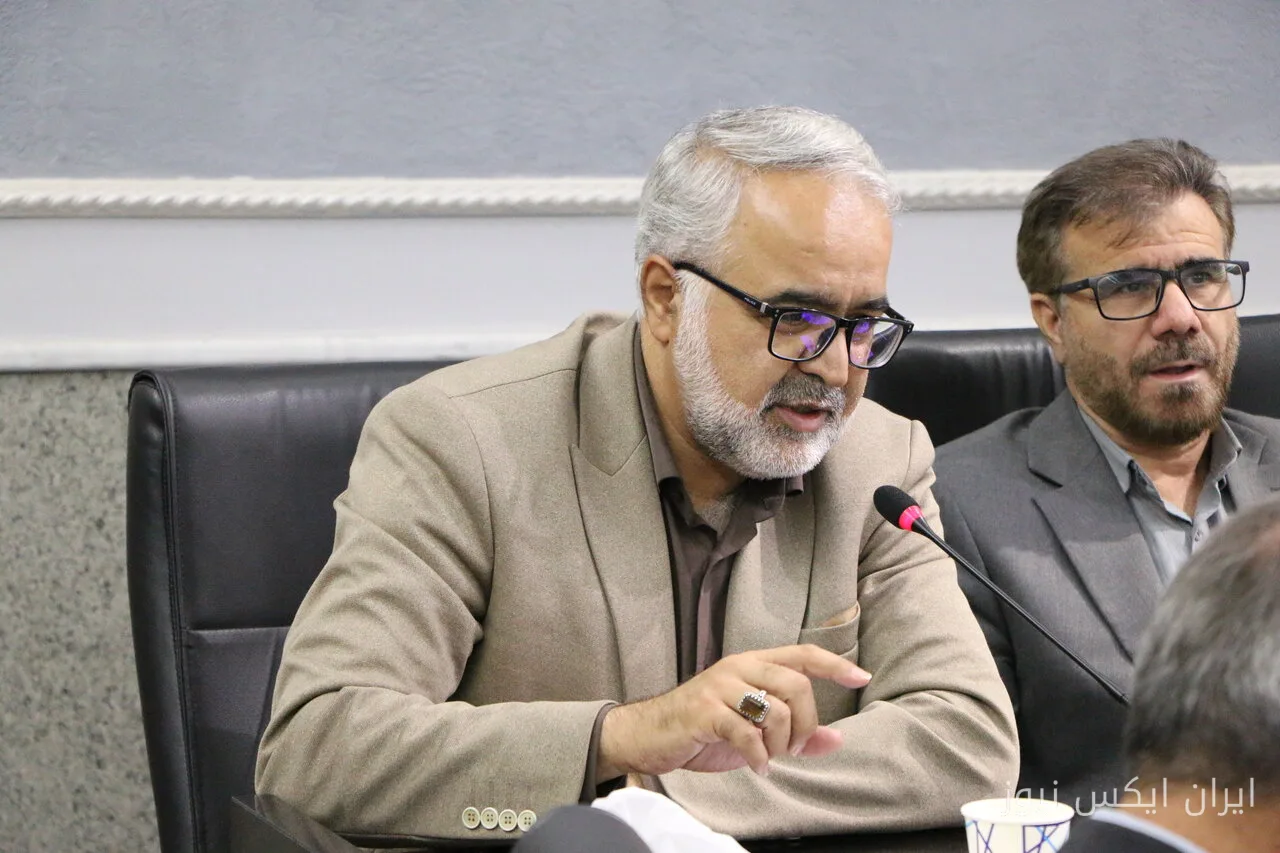
Kermanshah, a historical and cultural city in Iran, is currently in the midst of a significant change in its policymaking. The governor of this county recently announced that education is the third budget priority after rural roads and water. This news could significantly affect the future of education in this area and raise many questions in the public mind.
Water, Rural Roads, and Now Education
According to the governor's announcement, educational budgets have been chosen as the third priority while previously, water infrastructure and rural roads were at the top of the county's financial priorities. This decision is particularly important given that many schools in Kermanshah are facing a shortage of resources and inadequate infrastructure.
What draws attention in this context is why education has been recognized as the third priority? Does this mean that problems in this area are not easily solvable, or are officials thinking about improving basic infrastructure?
Addressing Educational Challenges
The governor of Kermanshah emphasized that despite financial limitations, efforts to improve the quality of education are essential. Especially in areas where access to educational facilities is limited, attention to this issue is of particular importance.
Moreover, the emphasis on improving rural roads and securing water demonstrates the existing priorities in developing basic infrastructure. But are these priorities justifiable? Shouldn't education be placed at the top priority in the current circumstances?
Social analysts believe that investing in education can serve as a sustainable solution to many social and economic problems. Therefore, this decision by the governor could lead to more challenges in the near future.
Implications of Budget Decisions
This decision not only affects the quality of education but could also impact community participation in educational activities. Given that education is one of the keys to societal advancement, insufficient attention to this area could lead to social and cultural anomalies.
Ultimately, this news could spark more serious discussions at the community level. Is it time for officials to think of innovative solutions for improving education instead of traditional prioritization? Considering the serious challenges at hand, these questions could become the main focus of future discussions in the Kermanshah community.