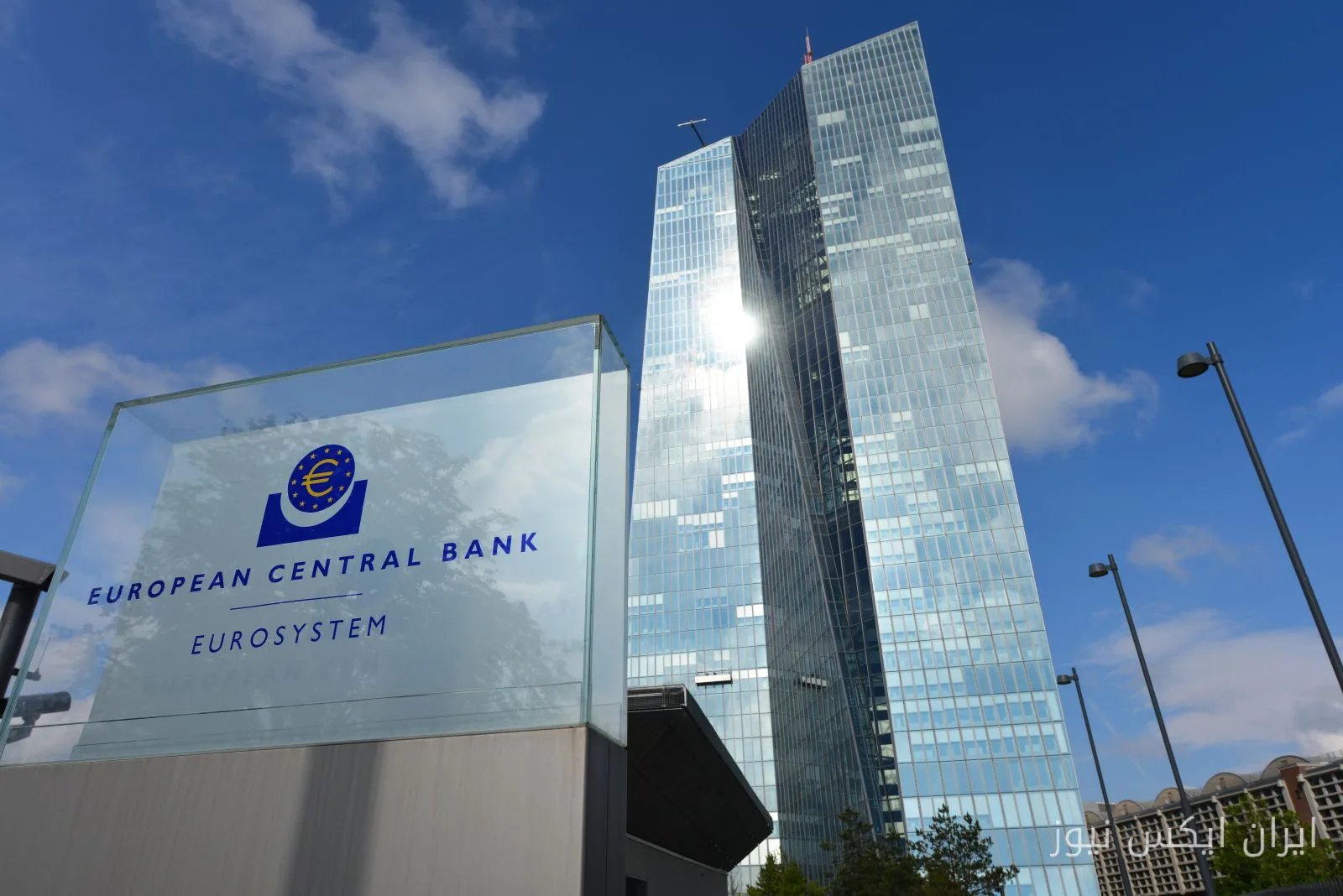
In a controversial and significant move, the European Central Bank has raised interest rates again. This decision was made as inflation in the Eurozone remains "well above target" and concerns about uncontrolled prices in global markets have reached a peak.
Reasons for the Interest Rate Increase
The European Central Bank has shown its determination to combat inflation with this decision. Increasing interest rates can help reduce consumers' purchasing power and consequently ease pressure on prices. However, this move could also lead to economic recession and rising unemployment, which would bring new challenges.
American traders need to closely monitor developments in financial markets, as these changes in Europe could quickly spread to other parts of the world. In particular, higher interest rates in Europe may strengthen the euro, which in turn could impact the dollar and U.S. stock markets.
Global Consequences
As the European Central Bank continues to raise interest rates, other central banks may also be forced to react. There is a possibility that the Federal Reserve of the United States may consider raising its interest rates in light of global developments and inflationary pressures. This situation could lead to significant market volatility, and traders must be prepared for any changes.
Overall, the recent action by the European Central Bank will not only affect the Eurozone economy but also global markets, especially in the United States. Traders and investors should prepare for rapid responses to these developments and adjust their strategies based on these changes.