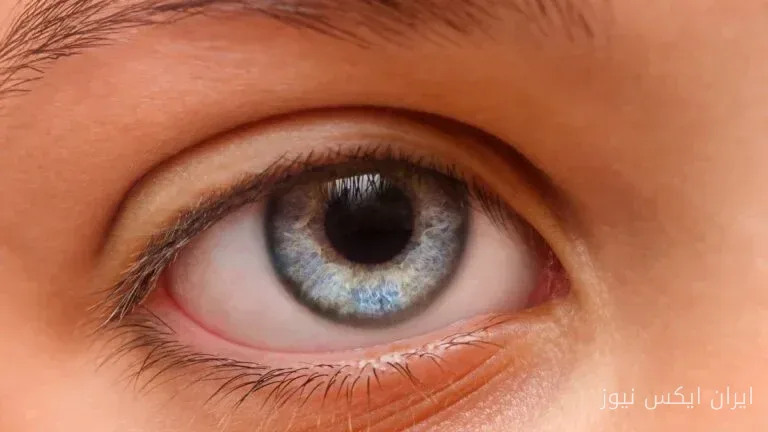
In the medical world, we witness new discoveries every day that can transform people's lives. One of the latest discoveries examines the connection between the pupil and Attention Deficit Hyperactivity Disorder (ADHD). According to recent research, the size and reaction of the pupil in individuals with ADHD are significantly different from those without the disorder.
Eyes as Indicators
This research indicates that changes in pupil size can act as a sign of the presence of ADHD. Specifically, the pupil's reaction to light and its changes may provide valuable information about brain function and the individual's level of attention. According to researchers, this discovery could help doctors identify this disorder early using a non-invasive tool.
ADHD is one of the most common mental disorders in children and adults that can affect an individual's daily life. This disorder is typically associated with issues such as inattention, hyperactivity, and impulsive behaviors. The new discovery regarding the pupil could assist in better and earlier diagnosis of this disorder, leading to more appropriate treatments.
Hope for the Future
These findings may not only help doctors in making better diagnoses but also provide families and patients with renewed hope. Given that ADHD can have significant impacts on an individual's education and social relationships, early identification can help improve the quality of life for those affected.
Overall, this new discovery shows that the pupil, beyond being a mere physical feature, can serve as a novel diagnostic tool in medicine. With further advancements in this field, there is hope for more effective treatments for those struggling with ADHD.