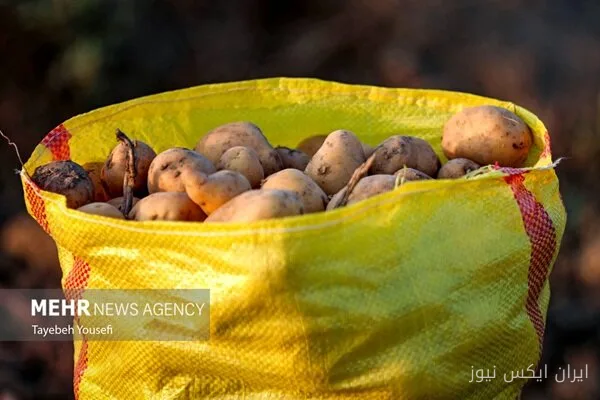
Shiraz - In a controversial move aimed at regulating the market, the Director of Commercial Development of the Agricultural Jihad of Fars announced that the export of potatoes, onions, and tomatoes will be banned until the end of the current year. This decision comes as the domestic market is severely affected by price fluctuations, and officials are seeking a solution to stabilize the situation.
Why this decision?
The main goal of this ban is to meet domestic needs and prevent unfair price increases. Given that these products play a vital role in the people's food basket, the government believes that by controlling exports, it can help stabilize prices and meet the needs of the domestic market. However, this decision has faced many criticisms and questions from farmers and economic activists, as many of them depend on the export of these products as a source of income.
The Director of Commercial Development of the Agricultural Jihad of Fars further emphasized that this action is temporary and that if the market situation improves, there may be a possibility to return to exports. But for now, the main priority is to meet domestic needs and support consumers.
Possible consequences of this ban
Nevertheless, some economic experts warn about the consequences of this ban. They believe that limiting exports may lead to a decrease in quality and an increase in prices in the domestic market. Additionally, local farmers and producers are concerned about their declining income, and this decision may reduce production incentives.
Ultimately, this decision is seen as an urgent action to improve the market situation, but it raises many questions and challenges. Can this ban truly help organize the market situation, or will it only lead to new problems? This question remains unanswered.