Filling car tires with nitrogen, despite the extensive advertising surrounding it, comes with notable disadvantages and costs. Experts and research indicate that the benefits of using nitrogen for average drivers are minimal compared to its costs.
Cost and Limited Availability
Nitrogen, which makes up about 78% of the air we breathe, is an odorless and non-flammable gas and has been proposed as a replacement for compressed air in car tires. However, filling car tires with nitrogen is costly and less accessible compared to compressed air. Initially, all the air in the tire must be removed and then filled with nitrogen, which costs about $30 per tire. Refilling every few months will also cost between $5 to $10 per tire. Some tire retailers offer this service for free when purchasing new tires, but car dealerships usually charge several hundred dollars extra for nitrogen-filled tires on new vehicles.
Read more: Ford Probe GT: The Coupe That Has Been Left in the Shadows
Access to nitrogen stations is also limited and is often only found at tire service centers, dealerships, or some Costco locations (which is free for members) and is usually not available at regular gas stations.
Minimal Benefits for Average Drivers
Despite the advertising, the benefits of using nitrogen in tires for most drivers, especially in terms of fuel savings and reduced pressure loss, are very low. While maintaining proper tire pressure is crucial for reducing fuel consumption, studies have shown that replacing air with nitrogen has very little impact on tire rolling resistance and thus fuel consumption. Although it has been confirmed that nitrogen performs slightly better in maintaining consistent tire pressure and may reduce the need for pressure checks and adjustments, the difference is negligible.
A year-long study showed that air-filled tires lost an average of 3.5 PSI over the course of a year, while nitrogen-filled tires lost 2.2 PSI, which is a very small difference.
Equal Impact on Tire Wear
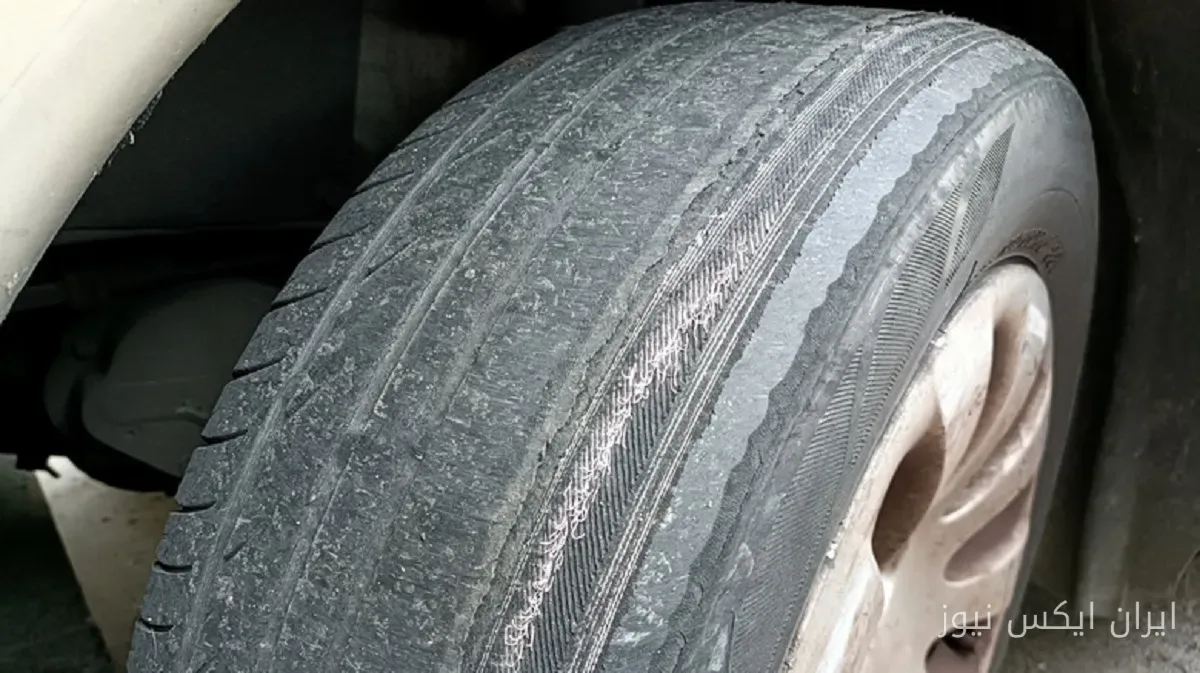
One of the reasons for using nitrogen is to reduce tire wear by eliminating oxygen and moisture present in compressed air, which can lead to oxidation and brittleness over time. However, the truth is that tire tread wears out much faster than internal degradation caused by oxidation, and this is not a major concern for average drivers. Additionally, modern wheels are made from alloys and are protected against rust; therefore, moisture in compressed air rarely causes wheel rust.
Ultimately, the lifespan of a typical tire is primarily determined by wear due to use and its age. Tires are designed to be filled with air, and with proper maintenance, including regular pressure checks, periodic rotation, alignment, and attention to tread depth, you can use them for years.
Read more: The Strange Life of a Spider in a Snail Shell: Secrets Between Earth and Air · Increased Risk of Depression with Social Media: A Serious Warning!