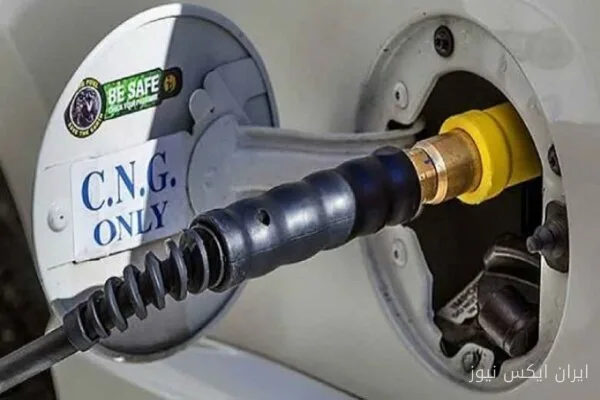
In a controversial move, the plan to convert high-frequency ride-hailing vehicles to dual-fuel with a fourth-generation kit has begun in six provinces of the country. This plan, which is expected to bring cleaner air for citizens, will be extended to other provinces by the end of the week.
Advantages of Dual-Fuel Conversion
Converting vehicles to dual-fuel not only helps reduce air pollution but also leads to lower fuel costs for drivers. This plan allows drivers to significantly reduce their fuel expenses by using natural gas while also contributing to environmental preservation.
Given the current state of air pollution in metropolitan areas, this plan has been proposed as a practical solution to tackle this issue. It is expected that a significant number of ride-hailing taxis will be converted to dual-fuel systems, thus taking a positive step towards improving air quality.
Expectations and Challenges
However, some experts believe that for the success of this plan, there is a need to provide the necessary infrastructure as well as adequate training for drivers. Additionally, it should be noted that the process of converting vehicles may face challenges that require careful management and planning.
Ultimately, the implementation of this plan could not only help improve air quality but also serve as a successful model for other sectors of public transportation in the country. Given the growing need for green and sustainable solutions, this initiative could be a turning point in the history of transportation in the country.