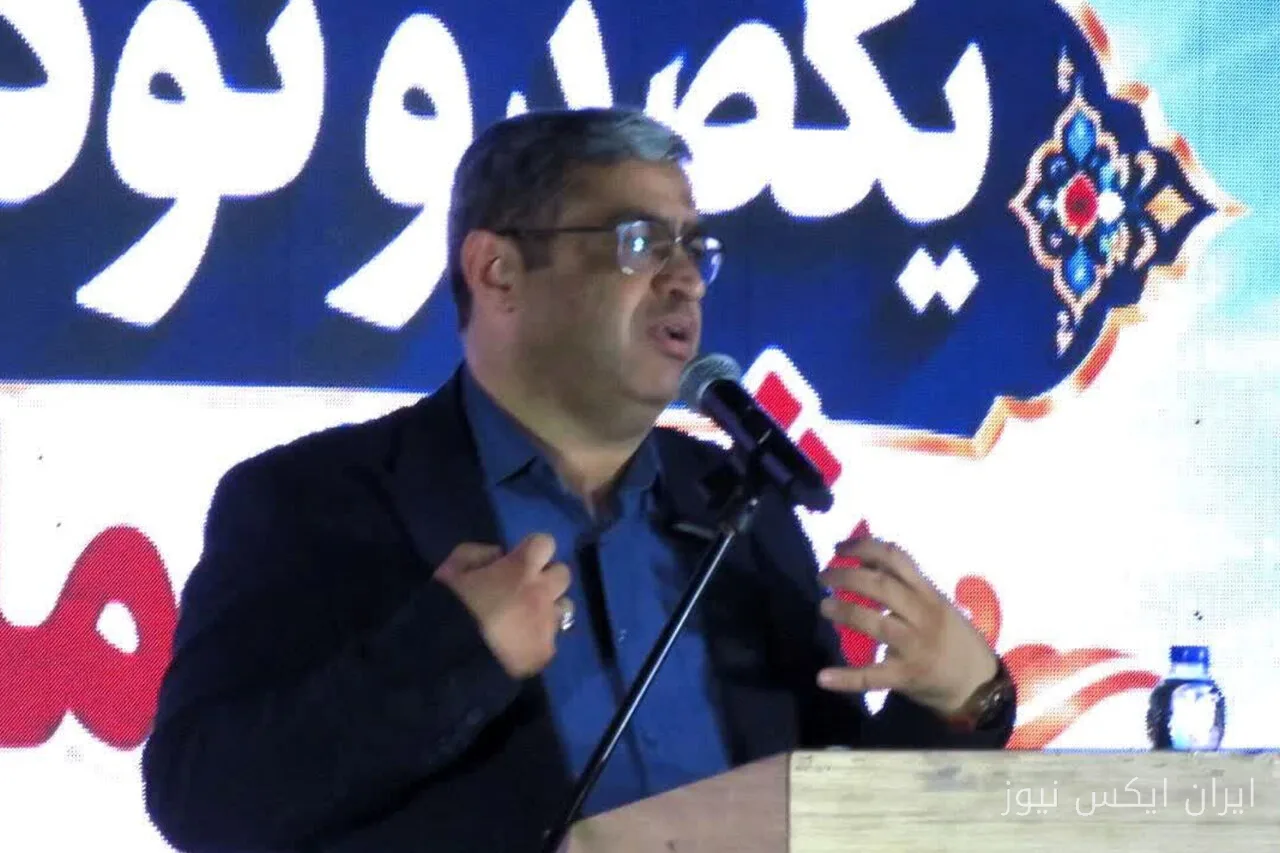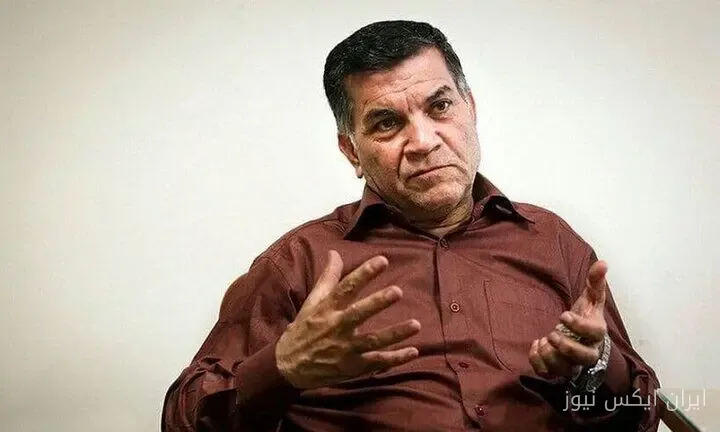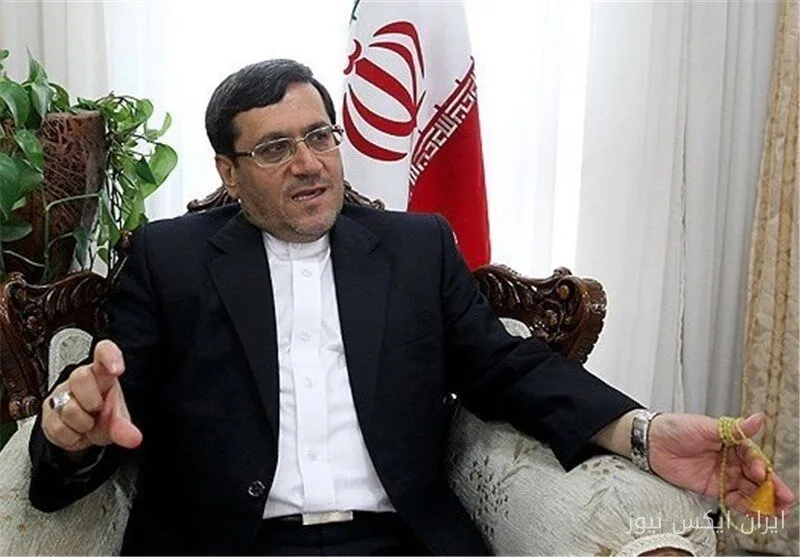
Ghashghavi, the spokesperson of the National Security and Foreign Policy Commission of the Parliament, emphasized in recent statements that if freedom of navigation is to be established, this freedom should not disrupt the security of coastal countries. He added that otherwise, a blockade is considered a type of "war."
Emphasis on Maritime Security
Ghashghavi, during a meeting held to examine the status of maritime security, said: "Freedom of navigation is essential in international relations, but this freedom must be managed with regard to the security of the countries located on the coasts." He referred to recent security challenges in the Persian Gulf and noted that these challenges could pose a threat to navigation and maritime trade.
Blockades and Their Consequences
The spokesperson of the National Security Commission, referring to maritime blockades, said: "Unilateral and illegal blockades not only threaten the economic security of countries but can also lead to military tensions and ultimately war." Ghashghavi stated that the unilateral actions of some countries could lead to instability in the region and called on the international community to pay more attention to the issue of freedom of navigation and coastal security.
He also emphasized the need for regional cooperation to maintain maritime security and added: "Coastal countries should help each other to ensure maritime security and prevent potential threats."
Ghashghavi concluded by highlighting the necessity of enhancing the defensive and security capacities of countries in the maritime domain, stating: "We must be prepared to respond to any threats in this area and defend our national interests."
Read more: Widespread changes of governors and strengthening political participation in Fars · Yemen's victory; a great triumph or the continuation of the blockade?