In today's world, public culture is recognized as one of the essential pillars of social and economic development. The Governor of Kermanshah, highlighting the importance of this issue, emphasized that the provincial cut of public culture must be announced quickly so that executive bodies can properly fulfill their duties based on this program.
The Importance of Public Culture in the Development of the Province
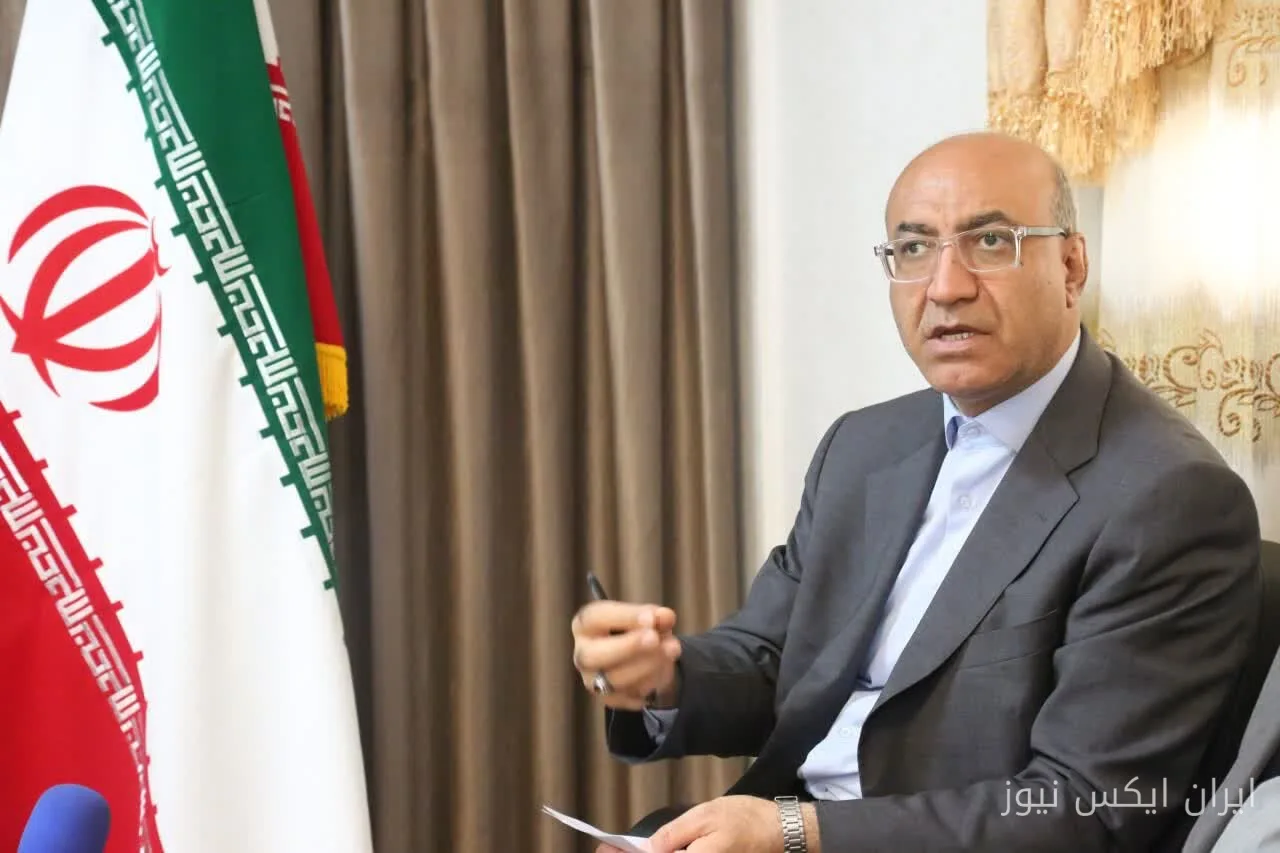
Habibi, the Governor of Kermanshah, in a meeting attended by general managers and executive officials of the province, emphasized that public culture should be considered not only as a cultural element but also as an effective tool in demanding from institutions. He pointed out the existing challenges in the field of culture and its impact on the daily lives of people, calling for special attention to this issue.
He further added: "If public culture is properly defined and implemented at the provincial level, we can pursue our demands from various institutions and organizations with greater strength and take steps to improve the living conditions of the people."
Implementation of Programs and Duties of Institutions
The Governor of Kermanshah also emphasized the serious follow-up of the implementation of the duties of executive bodies based on the provincial cut of public culture. He noted that officials must always interact with the people and consider their opinions and suggestions in the decision-making process. This interaction, especially in cultural, social, and economic areas, is of great importance.
Habibi, referring to the necessity of forming specialized working groups to follow up on this issue, called for the cooperation of all institutions and organizations. He stressed the importance of coordination among institutions and the need to expedite the implementation process of programs.
Challenges Ahead and Solutions
The Governor of Kermanshah also referred to the challenges that may exist in the path of implementing these programs. He stated that to overcome these challenges, a comprehensive and systematic approach is needed, which includes necessary training, informing the community, and garnering public cooperation.
At the end of the meeting, Habibi advised general managers and executive officials to continuously review the results and achievements of these programs and, if necessary, provide new solutions to improve the situation. He emphasized that only through cooperation and collaboration can the desired goals be achieved and public culture be utilized as an effective tool for the development of the province.