In today's world, developments in the field of transportation, especially motorcycles, play a significant role in improving economic and environmental conditions. Recently, the head of the Transport Fleet Renovation Headquarters of the Ministry of Industry, Mine and Trade announced in a press conference that approximately 5 million motorcycles in the country have active fuel cards. This news could herald a transformation in fuel consumption management and traffic reduction.
Status of Motorcycle Fuel Quotas
According to the head of the Renovation Headquarters, these motorcycles continuously receive fuel quotas through their fuel cards. Given the rising fuel prices and economic challenges, this initiative could help reduce costs for motorcycle users and, on the other hand, optimize fuel consumption.
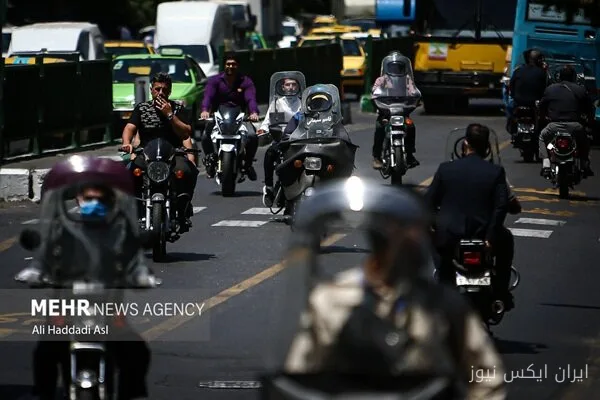
This number of motorcycles with fuel cards indicates the importance of this vehicle in people's daily lives and its impact on reducing air pollution and urban traffic. In fact, motorcycles, as one of the affordable and low-consumption vehicles, are often considered a desirable option for short trips.
Challenges and Solutions
However, despite these advantages, there are still challenges in managing the motorcycle fleet. The need for renovation and updating of this fleet, especially in metropolitan areas, is increasingly felt. Additionally, it is essential to promote the use of motorcycles as a sustainable and cost-effective option.
Ultimately, this news not only reflects the current status of motorcycles in the country but could also serve as a turning point for future planning in optimizing public and private transportation systems. Can this initiative help improve economic and environmental conditions? Time will tell the answer to this question.