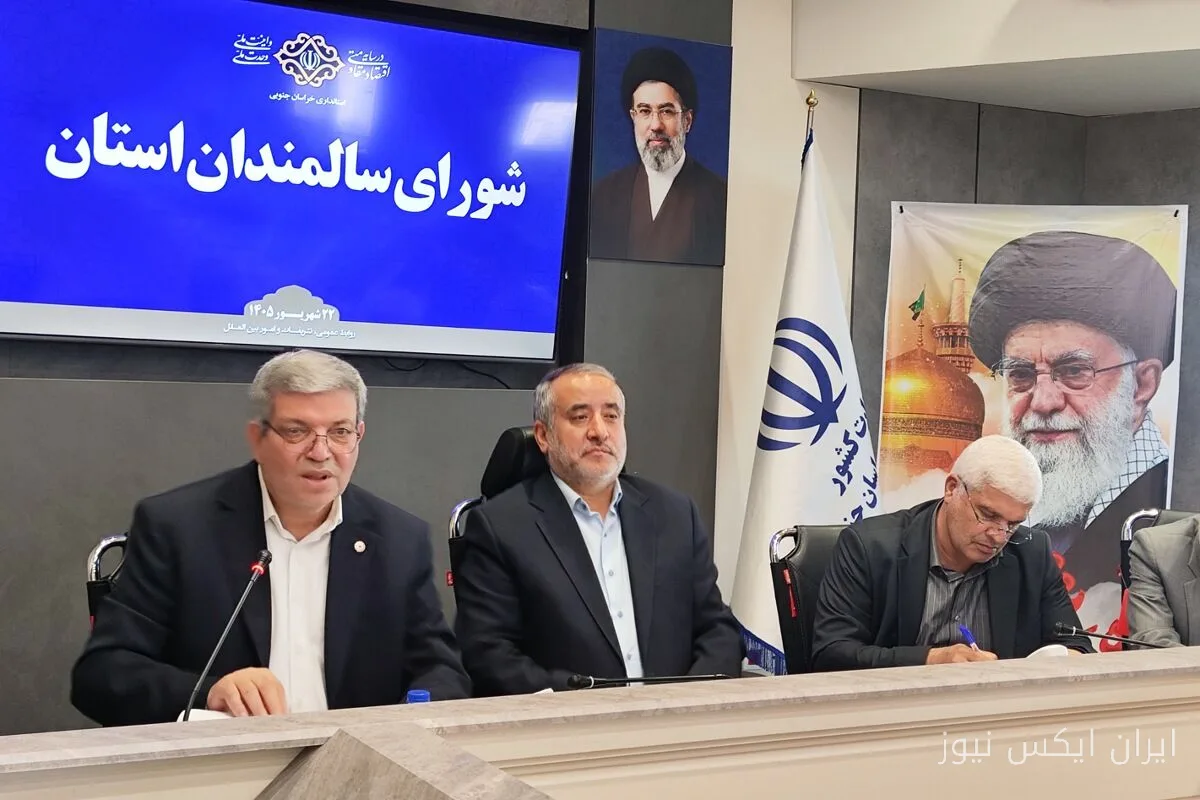
The head of the Welfare Organization has recently announced that by the year 1430, the share of the elderly in Iranian society will reach 31%. This news has not only drawn attention to the situation of the elderly but has also raised concerns and new challenges regarding the country's health and social system.
The Elderly and Future Challenges
Given these demographic changes, the country must be prepared to respond to the increasing needs of the elderly. The head of the Welfare Organization emphasized that this change necessitates precise and strategic planning in health, treatment, and social sectors. Improving the quality of life for the elderly and meeting their basic needs must be prioritized.
This demographic shift could impact the labor market, social security system, and economic policies of the country. According to experts, the government must consider solutions that ensure the welfare of the elderly while also reducing the financial burden on younger generations.
Community Participation in Addressing Elderly Issues
The head of the Welfare Organization also stressed the need for community and non-governmental organizations' participation in supporting the elderly. He believes that collaboration between the government and the private sector can lead to effective solutions for improving the status of the elderly. Such collaborations could result in the establishment of rehabilitation centers, social activities, and educational programs for the elderly.
With the increasing elderly population, it is time for society to pay more attention to this group and take actions to improve their quality of life. In this regard, raising awareness and educating about the needs and rights of the elderly is one of the main steps to be taken.