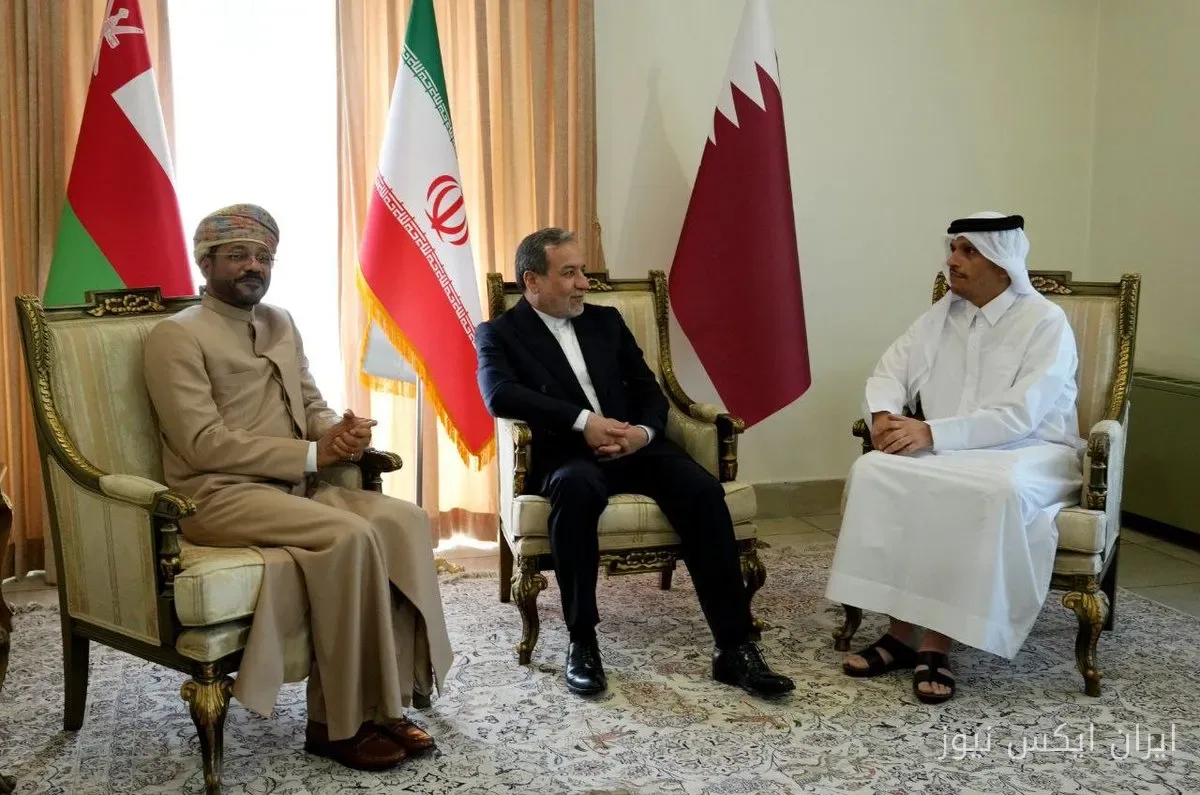
In a significant development, a historic agreement between Tehran and Muscat will soon be signed, which could fundamentally change the future of the Persian Gulf. This agreement, the result of intensive technical and diplomatic discussions between the two countries, will soon be announced in the presence of the foreign ministers of the Gulf Cooperation Council countries.
Details of the Agreement and Its Impact on the Persian Gulf
According to obtained information, this agreement includes the determination of entry and exit routes to the Persian Gulf. Under this agreement, the majority of the entry route to the Persian Gulf will be located in Iran's territorial waters, and sections of the exit route will also be under Iran's sovereignty. This indicates Iran's power and influence in this sensitive region.
The final agreement has been concluded in early September and is now on the verge of official announcement. With the implementation of this agreement, the southern route of the Persian Gulf will be completely closed, which could have widespread implications for the Gulf countries and maritime trade in the region.
Response to Reactions and Potential Tensions
Naturally, this agreement could provoke strong and diverse reactions from other Gulf countries as well as global powers. Many analysts believe that this move could strengthen Iran's position against its regional rivals and increase tensions in these strategic waters.
Ultimately, this agreement is not only considered a diplomatic achievement for Iran but could also serve as a new roadmap for future developments in the Persian Gulf. It remains to be seen how other players in the region will react to this development and whether this agreement will contribute to stability and peace in the Persian Gulf or, conversely, increase tensions.