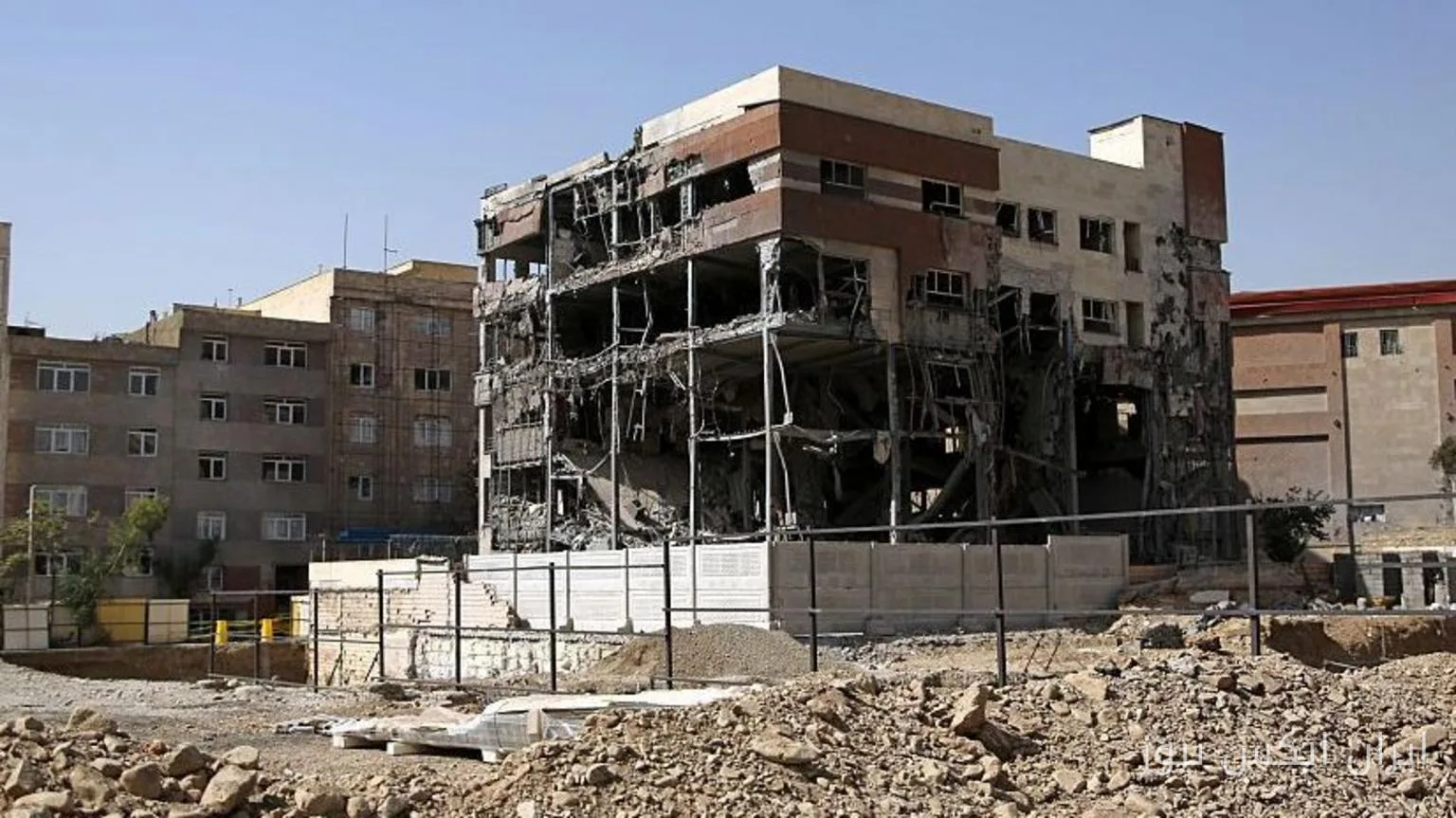
In recent weeks, tensions between the United States and Iran have reached a peak. Following reciprocal attacks and increasing dangers, the question has been seriously raised: do both sides have a way out of this crisis?
History of Tensions
The tensions between the United States and Iran date back decades. Since the Islamic Revolution in 1979, the relationship between the two countries has been severely damaged, leading to multiple crises. Military attacks and economic sanctions have been used as the main tools by both countries to pressure each other.
In recent years, due to the decisions of various governments, these tensions have intensified. From the U.S. withdrawal from the nuclear agreement in 2018 to cyber and military attacks, each side has tried to achieve its goals by exerting more pressure on the other.
Analysis by Three Experts
To explore how to end this conflict, three prominent experts analyzed the situation. These analyses show that each side may have different views and strategies for exiting the crisis.
The first expert believes that diplomacy is the only appropriate way to end this crisis. He emphasizes that both sides must return to the negotiating table and, with mutual understanding of each other's needs and desires, reach a comprehensive agreement. According to him, without dialogue, we will only see an increase in tensions and greater dangers.
The second expert argues that increased pressure from the international community could help change Iran's behavior. He points out that with the cooperation of other countries, the United States can form a strong coalition that forces Iran to accept its terms. This expert also emphasizes the importance of sanctions as a tool to pressure Iran.
The third expert, however, has a different perspective. He believes that both sides should move towards a more balanced approach instead of relying on military and economic tools, pointing to the history of tensions. He believes that actions such as reducing military tensions and establishing communication channels can help reduce risks and build mutual trust.
Future Consequences
Ultimately, the future of this conflict depends on the political will of both sides. If the two sides cannot reach a sustainable agreement, we will likely witness continued tensions and even an escalation of conflicts. This situation will not only affect the people of Iran and the United States but could also have implications for regional and even global security.
In the meantime, there are questions that need to be answered: Are both sides ready to engage in dialogue for mutual interests? Can the international community act as an effective mediator? The future of this conflict remains uncertain, and only time can provide answers to these questions.