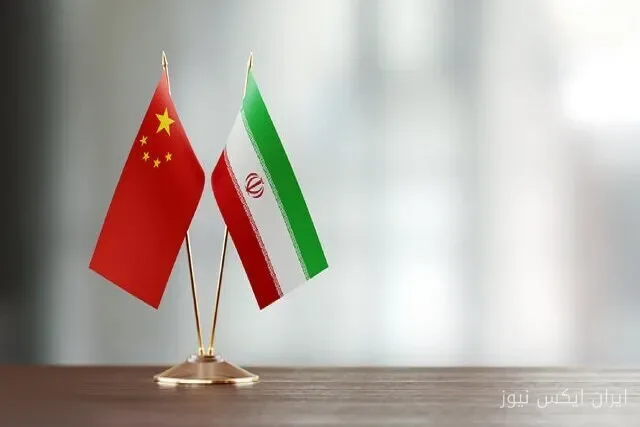
Following the recent Security Council meeting, the positions of the Chinese representative regarding Iran once again attracted attention. In this meeting, three main pillars of Beijing's position were clearly identified, which could have significant impacts on regional and international developments.
Stopping the War and Promoting Negotiations
The first pillar emphasizes stopping the war and promoting negotiations. China, as one of the major global powers, has always stressed the importance of diplomacy and constructive dialogue. This approach, especially in the current situation where tensions in the Middle East have reached their peak, indicates China's efforts to play a mediating role.
Opposition to International Pressures
The second pillar is opposition to international pressures on Iran. The Chinese representative explicitly stated that Beijing opposes any sanctions and economic pressures that harm Iran. This position not only signifies China's support for Iran as a strategic partner but also clearly reflects this country's concerns about the adverse consequences of these pressures on regional stability.
Moreover, China is well aware that its commitment to supporting Iran can be seen as an effective tool in countering American influence in the Middle East. In fact, Beijing's positions in this regard somewhat indicate this country's desire to create balance in global power relations.
It seems that by adopting this approach, China intends to strengthen its role as a key and reliable player in the international arena. In this context, Iran is considered an important and strategic partner for China, and this could benefit both countries.
Given recent developments, it remains to be seen whether China will be able to act as an effective mediator in resolving regional crises and to what extent it can continue its support for Iran. Can Beijing truly stand by Iran, or will it ultimately retreat under international pressures?