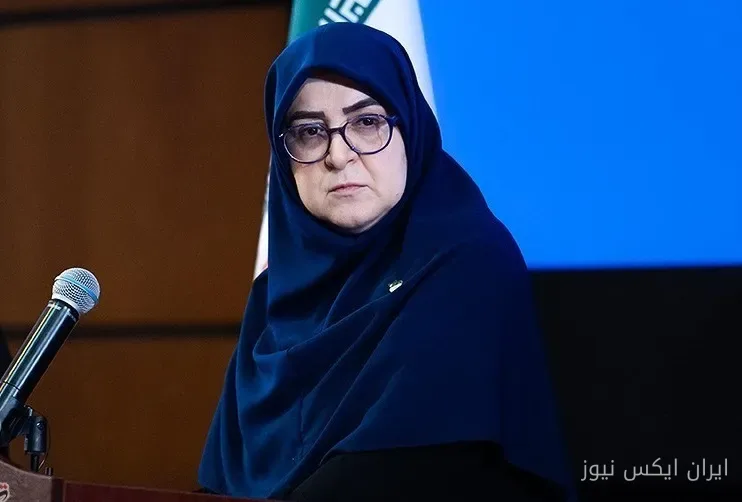
In the world of cinema, every country has an identity by which it is recognized. The political, security, and social deputy governor of Zanjan has recently addressed this issue and announced the selection of 'Human Cinema' as the identity of Iranian cinema after the Islamic revolution. According to him, this choice not only promotes human values but also reflects the realities of the lives of the people of Iran and the deep human meanings in cinematic works.
Cinema; A Mirror of Realities
The Deputy Governor of Zanjan emphasized that the films produced in this field deal with real life and spirituality, and in a way, fill the gap of this aspect in global cinema. He stated: 'Human Cinema' allows viewers to become familiar with the challenges and beauties of real life and to reflect on them.
Cinema, as an art, can always reflect the culture and values of society. Iran, by choosing human cinema, has sought not only to express its own stories but also to show the world that humanity and spirituality are at the center of cinematic attention. This approach, especially at a time when many countries have moved towards producing commercial and superficial works, can be a strength for Iranian cinema.
Challenges and Opportunities
However, this path is not without challenges. There is a need for more support from governmental and private institutions so that filmmakers can produce their works with high quality and reach a wider audience. The Deputy Governor of Zanjan also pointed out that cinema should be used as an educational and cultural tool in society.
Overall, the selection of 'Human Cinema' as the identity of Iranian cinema after the revolution is a great opportunity for filmmakers and audiences to delve into the depths of human emotions and real stories. This approach not only enriches Iranian cinema but can also have an impact on global cinema.