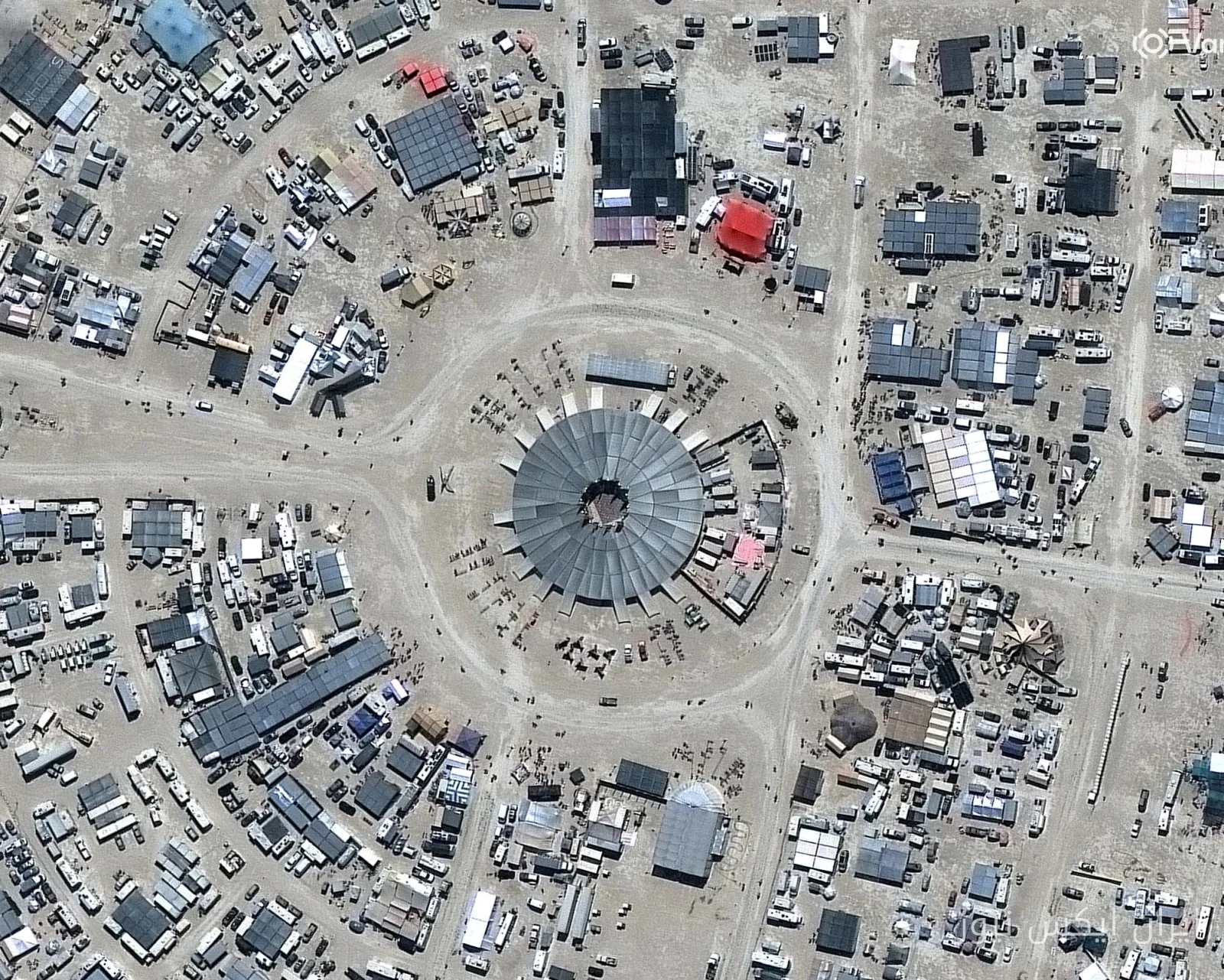
The Burning Man festival, held annually in the heart of the scorching Nevada desert, faced unfortunate news this year. Three men over the age of 50 lost their lives at this event, significantly increasing the mortality rates associated with the festival to three times the average of previous years.
Increasing Age of Participants
This rise in mortality occurs as reports indicate that the average age of participants at Burning Man has significantly increased. In recent years, the number of young people in their 20s has sharply declined, while individuals in their 40s and 50s have become a larger portion of the participant population. These changes reflect cultural and social shifts in large events like Burning Man.
Given the harsh and difficult living conditions at this festival, which include heat and a lack of water and adequate facilities, does this change in the age of participants mean an increased risk and vulnerability? Many questions have arisen regarding the safety of holding this festival and the resilience of its participants.
Concerns and Challenges
Perhaps it is time for the organizers of Burning Man to reassess the conditions and requirements for participants. Can this festival, known as an idealistic temporary community, adapt to the new challenges posed by the aging participants and harsh conditions?
In light of these unfortunate events, it should be noted that Burning Man is more than just an art and cultural festival. This event must prioritize safety and health for all participants and seek ways to prevent such incidents in the future.