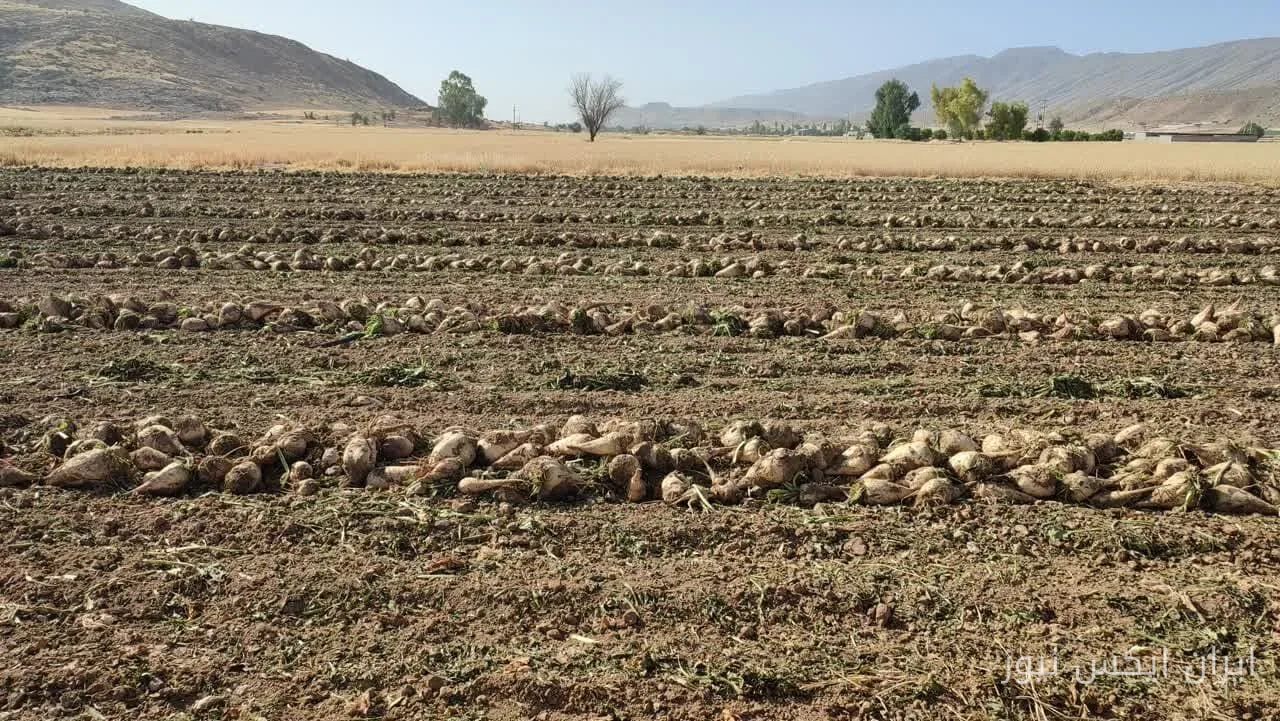
In an encouraging news for Iranian agriculture, the area under autumn sugar beet cultivation has increased to 44,000 hectares. This increase reflects the determination and will of farmers and officials to adapt to the existing challenges in agriculture, especially under water scarcity conditions.
Positive Impacts of This Increase
The Deputy for Agricultural Affairs of the Ministry of Jihad Agriculture noted the significant water savings and emphasized that this trend could serve as an effective model for other agricultural products. Given the water crisis in the country, these changes can be seen as positive steps towards optimizing water resource consumption.
With the increase in the area under sugar beet cultivation, not only will the production of this vital product for the food and sugar industries rise, but farmers can also achieve increased income and improved livelihoods by better utilizing water resources.
Challenges and Prospects
However, alongside these successes, there are also challenges. The need for modern technologies and optimal water resource management are among the issues that must be addressed. Considering climate changes and the need for agriculture to adapt to new conditions, innovations and precise planning can help improve the agricultural situation.
Ultimately, these plans and actions can serve as a model for other agricultural sectors and enable farmers to better face tougher conditions and water limitations. It seems that with these developments, the future of Iranian agriculture with sugar beet is brighter than ever.