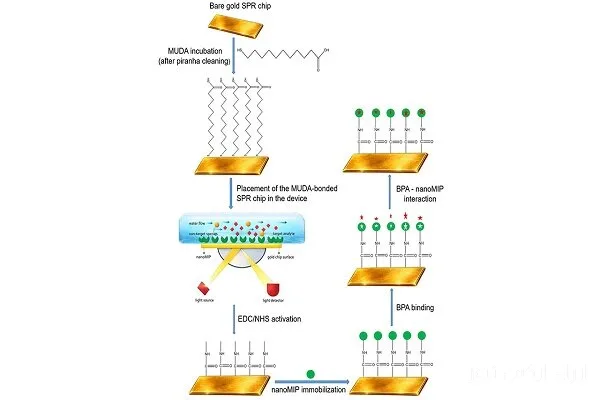
Transforming human desires into innovative technologies has always been at the forefront of researchers' attention. One of the latest scientific achievements in this field is the creation of a nano sensor capable of detecting very low levels of Bisphenol A or BPA in drinking water. This chemical has been heavily criticized due to its negative effects on the hormonal systems of humans and animals, and researchers are seeking a way to identify it in water sources.
Risks of Bisphenol A and the Necessity of Its Detection
Bisphenol A, commonly used in the production of plastics and packaging materials, is recognized as a harmful chemical to human health. Studies have shown that this substance can lead to hormonal disruptions, fertility issues, and even certain types of cancers. Therefore, identifying and tracking it in drinking water sources is of particular importance.
The nano sensor developed by researchers is designed using advanced technologies and nanoparticles. This sensor can accurately and rapidly detect very low levels of BPA in drinking water. This could help improve water quality and reduce health risks associated with consuming contaminated water.
Future Prospects and Applications
With increasing concerns about water pollution and its effects on public health, these types of sensors can play a key role in monitoring water quality. Especially in areas where drinking water sources may be contaminated with chemicals, these sensors can act as a vital tool in safeguarding community health.
This scientific achievement not only represents technical advancements in the field of nanotechnology but could also herald a significant transformation in improving health standards and preserving public health globally. It is expected that with the development and commercialization of this technology, we will witness a reduction in the risks posed by Bisphenol A and other harmful chemicals in drinking water.