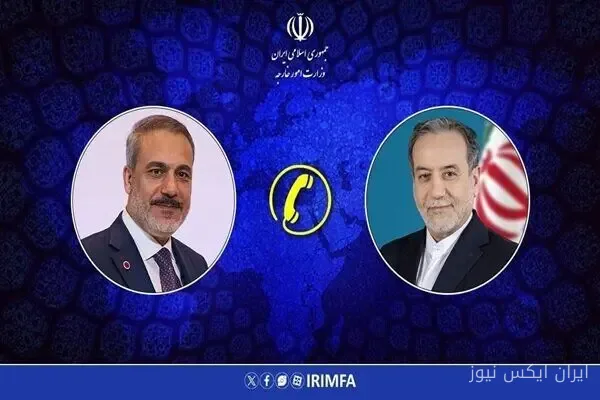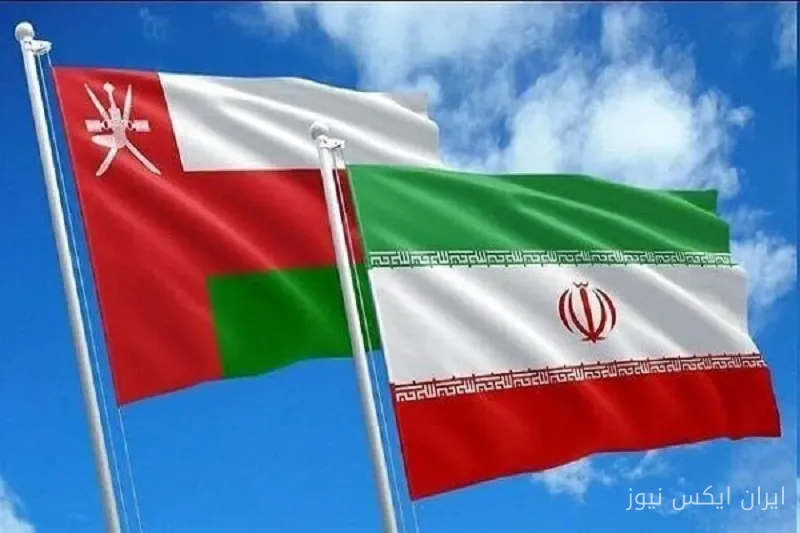
In recent days, news of a new agreement between the Islamic Republic of Iran and the Sultanate of Oman has emerged, which is set to be announced soon in a meeting attended by the foreign ministers of the Gulf Cooperation Council countries. These developments come at a time when the issue of the Strait of Hormuz and its importance for global trade has always been a hot topic in the region.
Why Won't the Strait of Hormuz Open?
Despite hopes for the reopening of the Strait of Hormuz, evidence suggests that this blockade will continue. The Strait of Hormuz, as one of the most important oil passageways in the world, has always been influenced by political and military tensions between Iran and Western countries. It seems that this new agreement between Iran and Oman is somewhat an effort to reduce tensions and manage the current situation.
The Role of Oman in Mediation
The Sultanate of Oman, as a neutral player and mediator in the region, has always sought to improve relations between Iran and its neighboring countries. By utilizing active and positive diplomacy, it can play a significant role in establishing stability in the Persian Gulf. The recent agreement could be steps toward strengthening these relations and reducing tensions.
Given the political and economic conditions in the region, this agreement may be seen as an opportunity for the Gulf Cooperation Council countries. While some are concerned about the consequences of this agreement, others view it as a sign of progress in regional diplomacy.
Ultimately, we must wait and see whether this agreement can lead to tangible changes in the relations between Iran and its neighboring countries. Nevertheless, this action represents an effort to improve conditions and reduce tensions in a critical region.