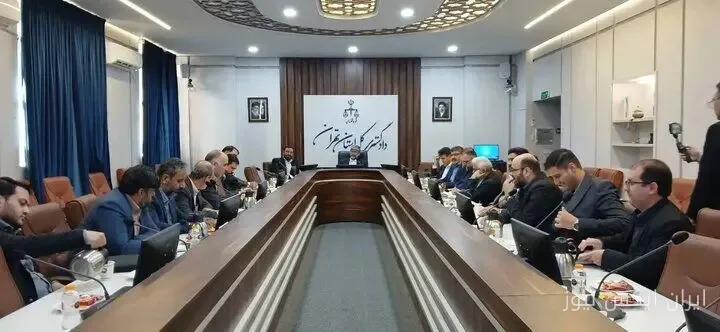
In a controversial development, Iran has indirectly announced 7 conditions through intermediaries for reopening the Strait of Hormuz to the American side. This action comes at a time when tensions in the region have reached their peak, and the Strait of Hormuz, as one of the most important global maritime transport routes, has always been in the spotlight.
New Agreements with Oman
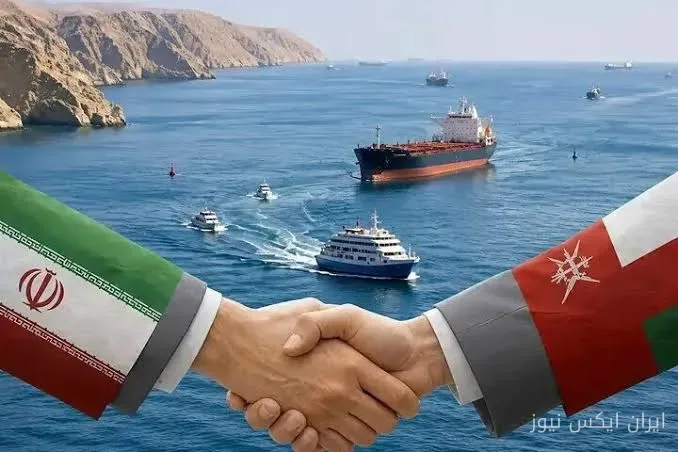
Meanwhile, details and specifications regarding new entry and exit routes from the Strait of Hormuz have also been agreed upon between Iran and Oman. It seems that these agreements aim to create a safer and more reliable environment for the passage of ships and oil tankers. This issue could be particularly significant in the current circumstances where the global energy market is heavily influenced by political developments.
As Iran seeks to strengthen its position in negotiations with the West, setting these conditions could serve as an effective bargaining tool. Especially since the Strait of Hormuz is considered a vital corridor for oil exports from the Gulf countries, any threat or blockade could have severe repercussions for the global energy market.
The Future of the Strait of Hormuz in the Hands of Diplomacy
Given the current conditions, it seems that diplomacy will play a key role in the future of the Strait of Hormuz. While Iran seeks to emphasize its rights in this waterway, diplomatic solutions could also help reduce tensions and ensure regional security. Will these conditions lead to a comprehensive agreement, or will they act as a barrier to negotiations? Time will tell.