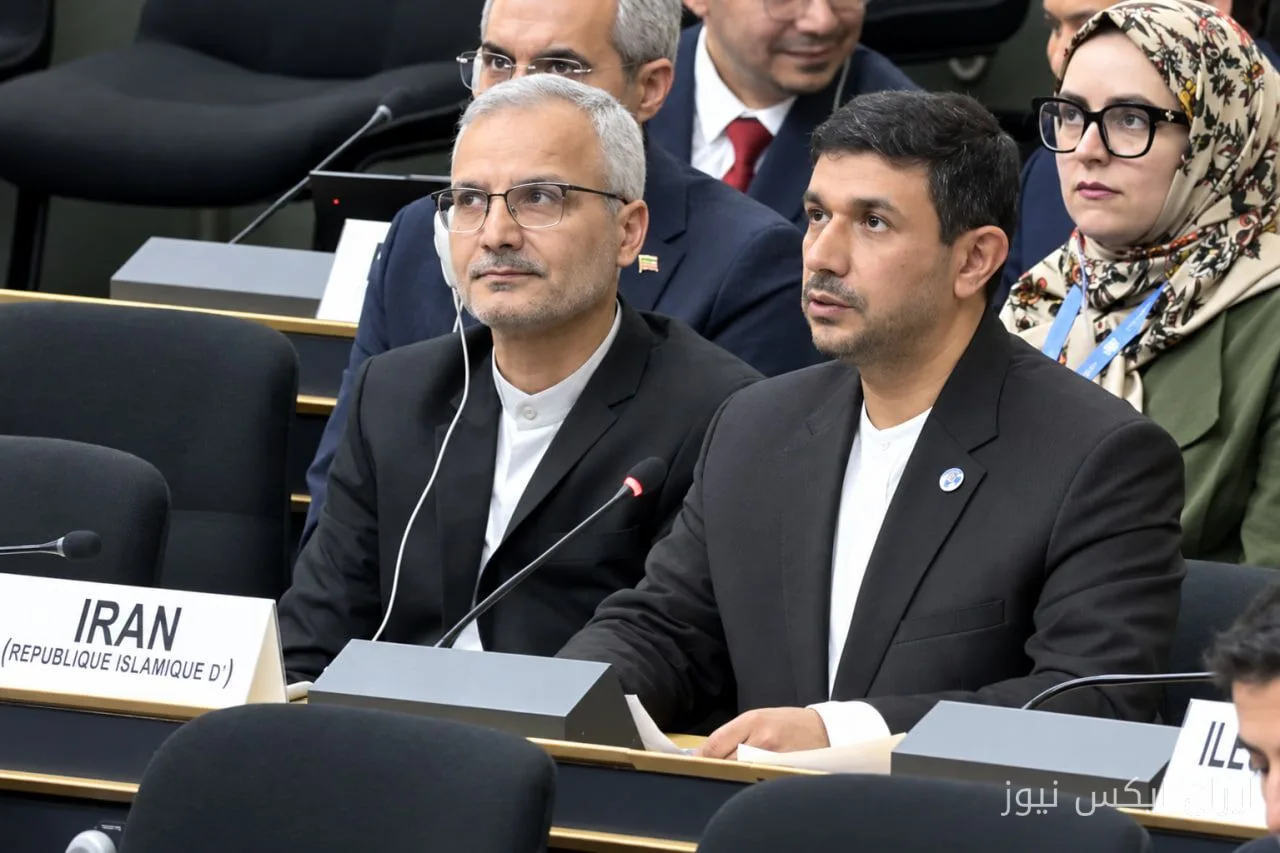
In an important meeting at the Human Rights Council, the Secretary-General of the National Commission for UNESCO in Iran discussed the dire consequences of unilateral coercive actions and military attacks on the country's development process. He specifically referred to the damage inflicted on schools, hospitals, and critical infrastructure, emphasizing that these damages cannot be considered mere collateral consequences of war.
The Future of Generations at Risk
The UNESCO Secretary-General stated that such destructive actions directly target human capital and seriously affect the development process and the future of upcoming generations. He emphasized that the destruction of educational and health infrastructure not only harms the present but will also have clear consequences in the future.
In this meeting, he also highlighted the vital role of education in creating sustainable communities, stating: "Any damage to schools not only hinders the transfer of knowledge to future generations but also significantly reduces opportunities for development and progress."
A Human Call Against Warmongering
The Secretary-General of the National Commission for UNESCO expressed concern over the continuation of wars and conflicts, urging the international community to pay more attention to these issues and to pursue diplomatic and humanitarian solutions instead of coercive actions. He clearly stated that war and destruction not only exacerbate current problems but also extinguish bright futures.
These statements come at a time when humanitarian crises in various parts of the world, especially in the Middle East, are increasingly on the rise, highlighting the need for urgent attention and action more than ever.