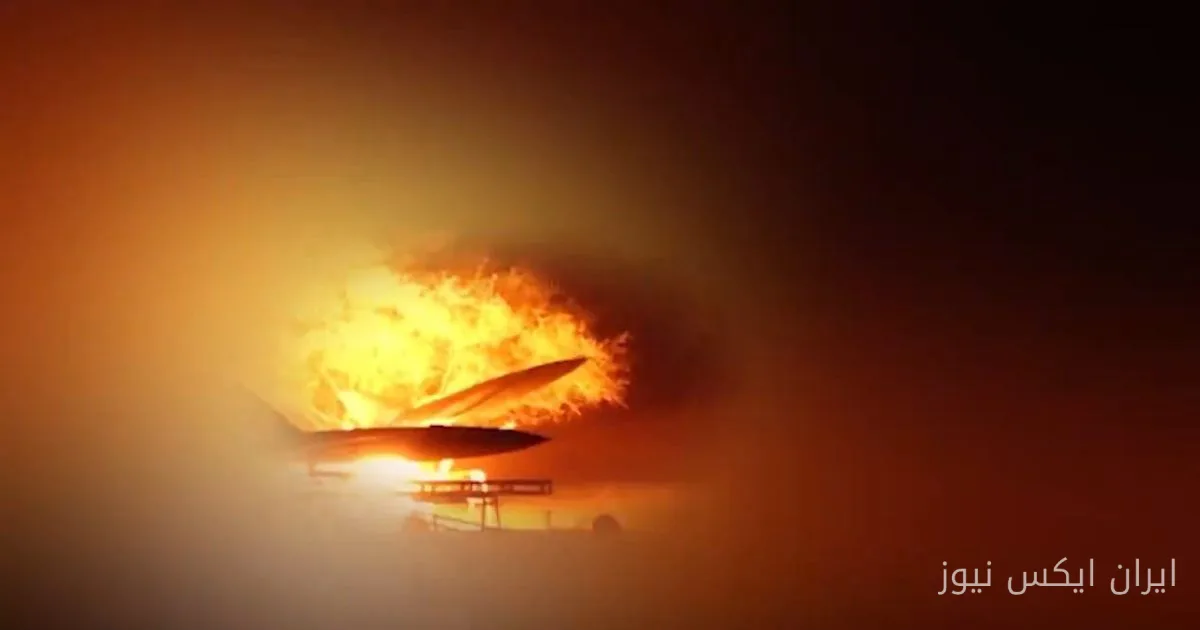
In a controversial move, the Iranian Navy has announced that in retaliation for recent American attacks on Iranian oil tankers, it targeted three oil tankers passing through the Strait of Hormuz as well as three vessels affiliated with the United States. This action, which is part of Iran's display of military power, has significantly increased tensions in the region.
Recent Developments; Rising Tensions in the Persian Gulf
The Strait of Hormuz, which is considered one of the most important oil transit routes in the world, has once again become a focal point for military conflicts. Iran had previously warned that it would respond appropriately if American attacks continued, and it now appears that these threats have been acted upon. Given the existing political and economic sensitivities, these developments could have serious consequences for the global oil market and maritime security.
The Iranian government has always emphasized its right to defend national interests and considers the recent retaliatory attacks as part of its strategy against external threats. Meanwhile, the United States is also seeking to increase its military presence in the region, and these two approaches heighten the likelihood of further conflicts.
The Future of Iran-U.S. Relations; On the Brink of War or Diplomacy?
In light of these developments, many questions arise regarding the future of Iran-U.S. relations. Could these tensions lead to a larger military conflict, or will both sides seek diplomatic ways to reduce tensions? The answers to these questions heavily depend on the future behaviors of both parties. In the meantime, the global oil market must also prepare for severe fluctuations and sudden changes.