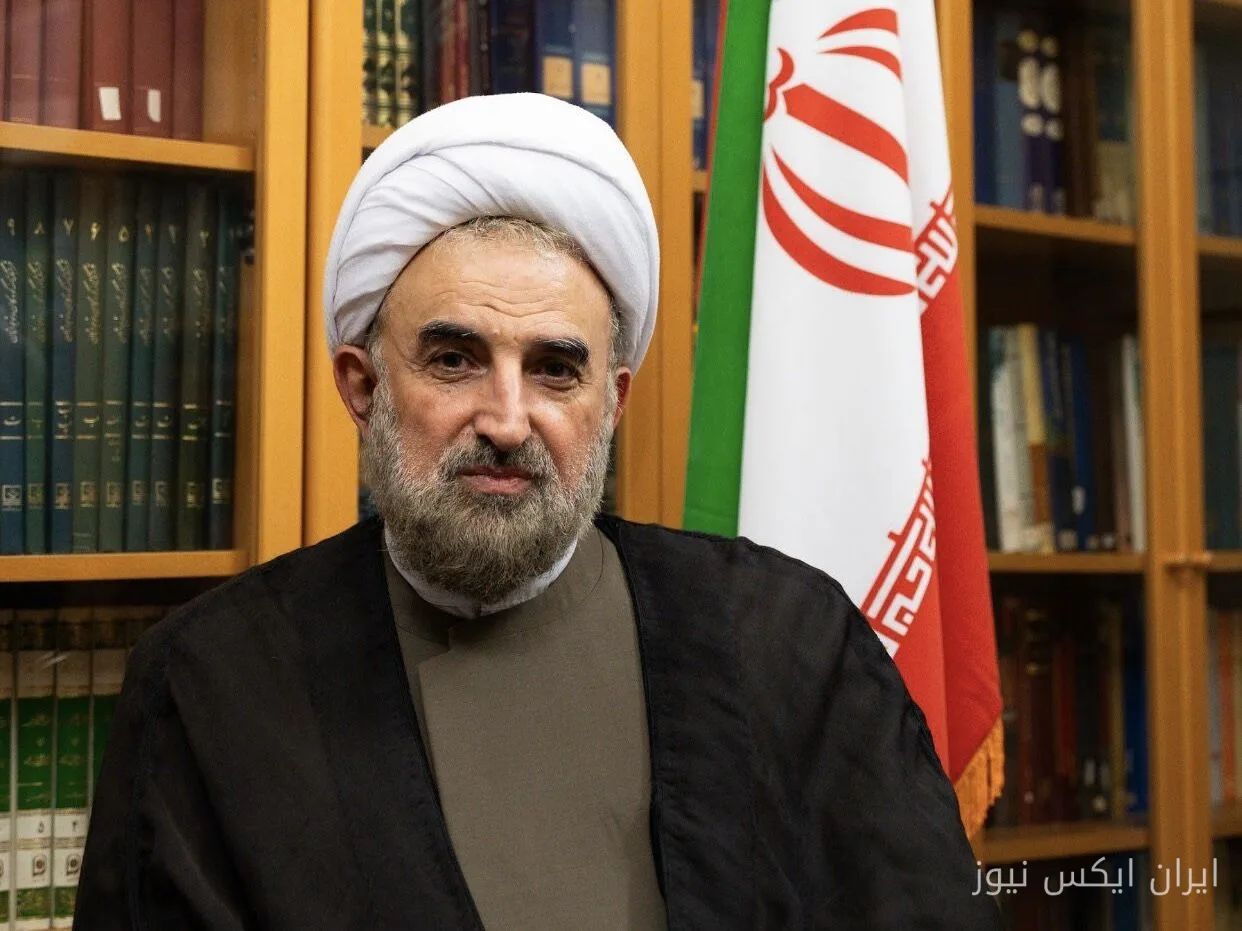
In a controversial statement, the Ambassador of the Islamic Republic of Iran to the Vatican explicitly declared that the era of imposing will on the nations of the region through threats and bombings has come to an end. These remarks indicate fundamental changes in regional and global policies that will significantly impact Iran's relations with Western countries.
The Future in the Hands of the People
The Iranian ambassador clearly emphasized that the future of West Asia must be determined by the nations of the region and not by foreign powers. These statements, especially in the current conditions where tensions in the region have reached their peak, can be interpreted as a strong message to the major global powers.
He added, "Foreign governments can no longer impose their will on nations through threats and bombings. We are witnessing fundamental changes that will ultimately strengthen the independence and autonomy of nations." These words come at a time when many countries in the region are fighting to maintain their sovereignty and rights.
Responding to Global Challenges
The Iranian ambassador to the Vatican also referred to global challenges and emphasized that the nations of the region must find suitable solutions to existing problems through cooperation and mutual understanding. He pointed out the history of foreign interventions in regional affairs, noting that this type of imposition only exacerbates crises and unrest.
These statements by the Iranian ambassador to the Vatican can be interpreted as a sign of Iran's changing approach in foreign policy and an emphasis on diplomacy and regional cooperation. It seems that with these remarks, Iran aims to solidify its role as a regional power and stand against global challenges.