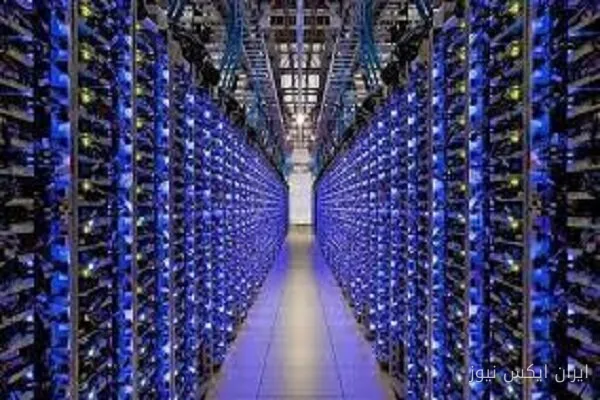
Following the recent tensions between Iran and American-Israeli forces, the United Arab Emirates is rapidly reassessing its artificial intelligence infrastructure. These changes are primarily due to cyberattacks and security threats stemming from the ongoing war. In fact, these developments reflect the profound and immediate impact of the war on the country's technology programs.
Major Changes in Technology Strategies
The UAE, as a leading country in modern technologies, has always sought to expand its artificial intelligence infrastructure. However, with escalating tensions and cyberattacks, this country has been compelled to reassess its strategies. This reassessment may mean changes in data architecture, increased information security, and also changes in how data is collected and processed.
Recent analyses indicate that the UAE is exploring options for transferring data to safer locations with more restricted access. These changes are particularly significant in the context of storing sensitive data, which may be easily vulnerable to cyberattacks. It seems that this country is seeking to create a safer environment for the development of artificial intelligence technologies.
The War's Consequences on Future Technologies
These developments in the UAE are not limited to infrastructural changes; they could also have profound effects on the job market and investment in the field of artificial intelligence. With increasing concerns about data security, investors and technology companies may also turn towards safer options. These changes could lead to a decreased willingness for international collaborations and ultimately impact technological advancement in the region.
Ultimately, the reality that war and political tensions can rapidly affect technological advancements should serve as a warning for other countries. The United Arab Emirates is now in a sensitive position and needs to carefully reconsider its technology programs.