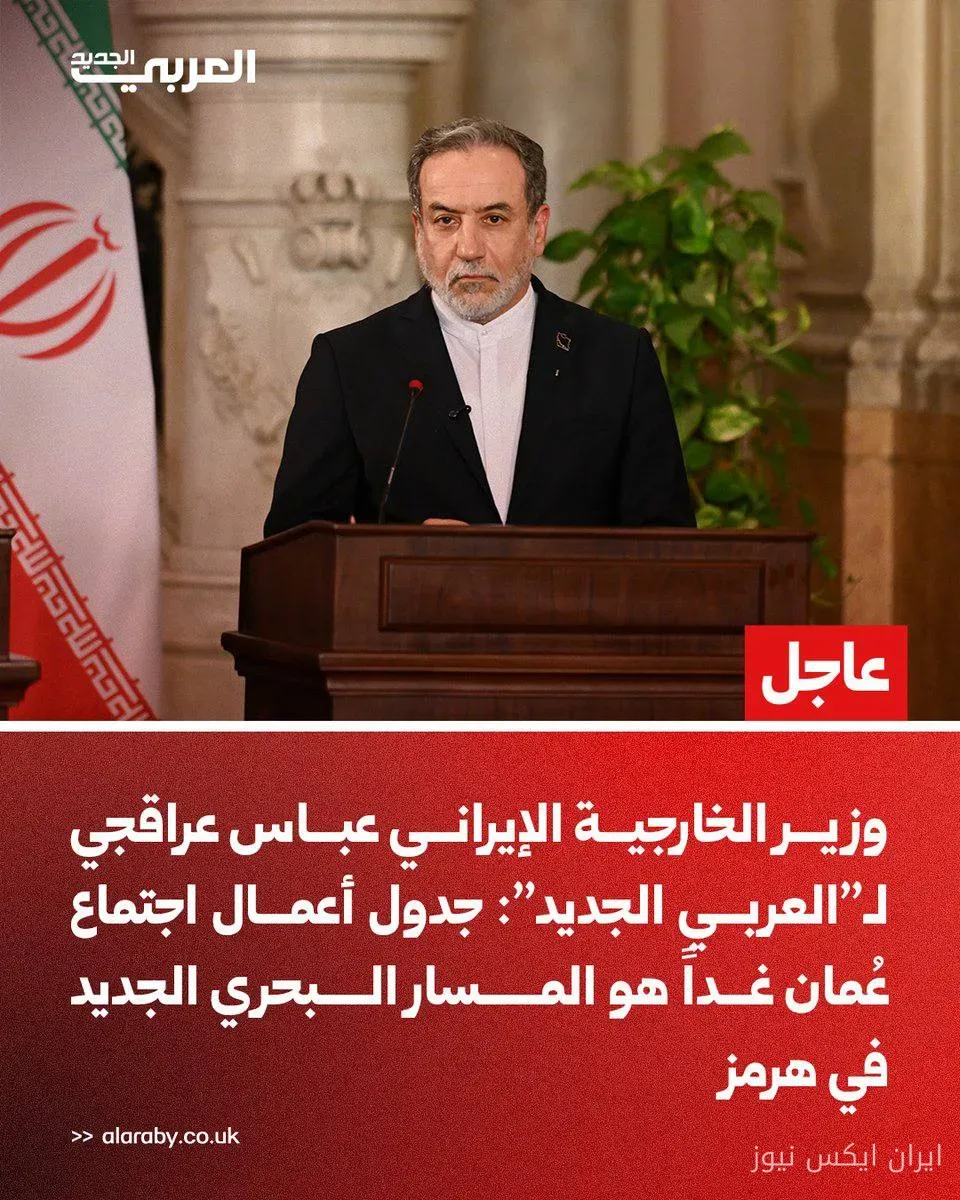
The Strait of Hormuz, one of the most important maritime passages in the world, has recently become a hot diplomatic topic. Iran has specified its conditions for reopening this strategic strait: America's return to its commitments under the Islamabad agreement.
Economic and Political Impacts
The Strait of Hormuz, as one of the main oil transportation routes in the world, any change in its status can have profound impacts on global markets and regional policies. Given that about one-fifth of the world's oil passes through this strait, its closure could lead to rising oil prices and economic fluctuations.
Iran has clearly stated that without the necessary guarantees from the U.S., no positive action will be taken regarding the reopening of the Strait of Hormuz. This issue could serve as a bargaining chip in international negotiations between Iran and the U.S.
Future Outlook
Considering the existing tensions in Iran-U.S. relations, returning to previous agreements and meeting Iran's requirements seems challenging. However, on the other hand, the continuation of the current situation will not benefit either party. Will the parties be able to reach a new agreement and open the Strait of Hormuz to trade?
Ultimately, it remains to be seen whether the U.S. will adhere to its commitments and what actions Iran will take to secure its interests. Given the existing sensitivities, this issue will continue to be at the center of global attention.