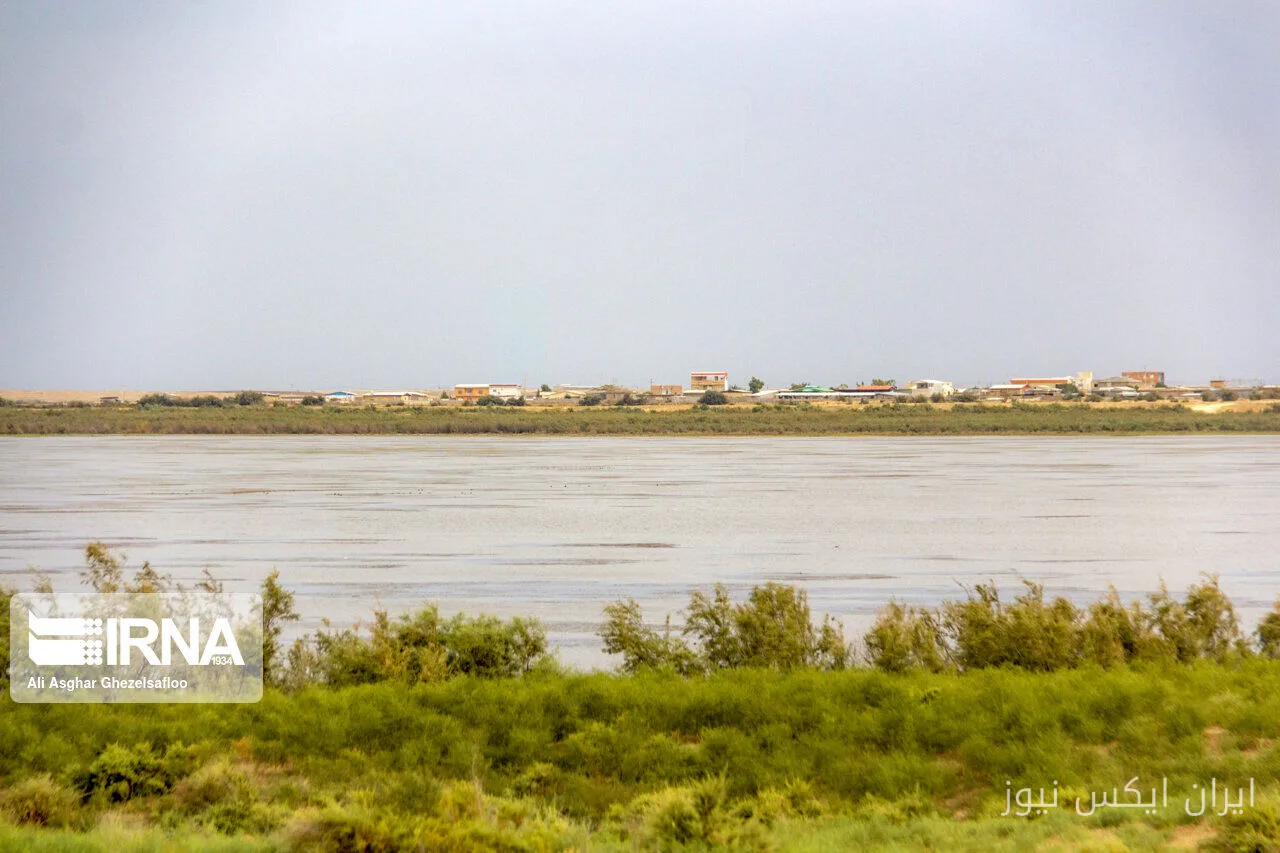
The wetlands of Golestan have improved with the irrigation of 4,000 hectares, but the Alagol wetland remains in a state of dryness. This action has been taken to restore the region's ecosystems and preserve biodiversity, and it is expected to have positive impacts on the environment and the livelihoods of local people.
Current Status of the Wetlands
According to local officials, the irrigation of 4,000 hectares of Golestan wetlands includes the Gorgan, Alagol, and other areas. However, the Alagol wetland has been severely damaged and is in a critical condition due to lack of rainfall and decreased water levels. Experts believe that improper management of water resources and climate change are the main factors contributing to the drying of this wetland.
Read more: Discovery of a Giant Whale Carcass in Charak Port, Hormozgan
Consequences of Wetland Restoration
The restoration of Golestan wetlands can help improve water quality, increase agricultural and livestock production, and also attract tourists. This action will also strengthen local infrastructure and create jobs in the region. However, to prevent similar crises in the future, there is a need for sustainable planning and management of water resources and wetlands.
In this regard, it is expected that officials will take effective steps towards preserving and restoring wetlands by implementing comprehensive plans and collaborating with local communities. Additionally, necessary training should be provided to farmers and livestock breeders on the optimal use of water resources and the preservation of natural ecosystems.
Read more: Warning about River Flooding and Waterlogging in Southern Areas of the Province · Khuzestan and Hoor-al-Azim: A Story of Hope and Challenges