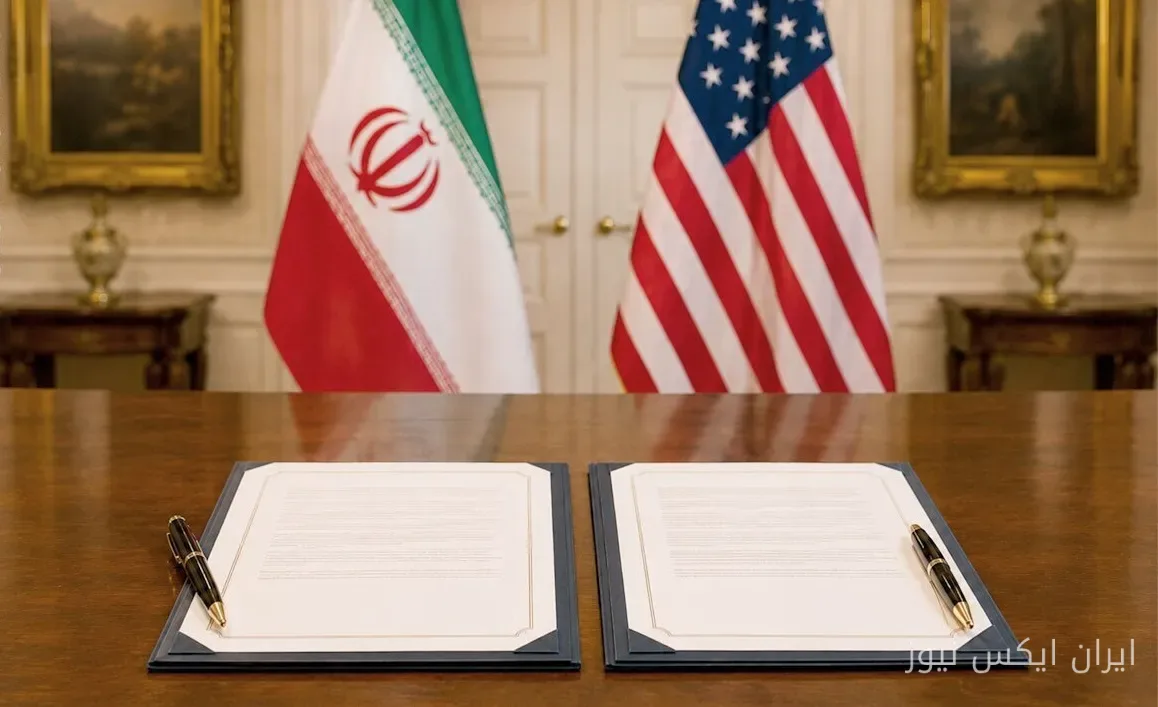
The Islamabad Agreement can serve as an effective tool in transforming negotiating power into security and reducing the economic pressures of the country. In a situation where the international community is seeking solutions to complex regional issues, this agreement represents an opportunity to reconsider diplomatic approaches.
Negotiation or Resistance?
The issue today is not a choice between negotiation and resistance. In fact, resistance can strengthen bargaining power, but negotiation can convert that power into security, reduce economic pressure, and lead to an exit from the cycle of war. In this context, the Islamabad Agreement is presented as a national project that requires clear guarantees, reciprocal implementation, and verification. Otherwise, the likelihood of failure of this agreement could increase the risk of a return to war.
Read more: Farewell of the People of Zahedan to the Martyrs of Security
Consequences of Failure
The failure of this agreement will have serious consequences not only for the country but also for the region. In the event of failure, the country will find itself in a debilitating state of 'neither war nor peace,' which could lead to further weakening of security and economic stability. Therefore, attention to details and implementation guarantees in this agreement is of special importance.
If implemented, the Islamabad Agreement could serve as a model for other international negotiations as well. On the other hand, this plan could strengthen relations among countries and increase economic interactions. Therefore, it is essential for all parties to pay attention to this matter and strive for the success of this plan.
Read more: The Regional Meeting in Salalah Postponed; Oman's Foreign Minister Seeks Consensus · Country's Police Chief: Destruction of the Extortion Network in Ahvaz